- (619) 815 5317
- info@treeservicesandiegoca.net
- Mon - Sat: 9:00 - 19:00

A tree risk assessment looks more closely at conditions that could contribute to branch or tree failure and what could be affected if failure occurs. This can be useful when a tree has visible defects, has suffered damage, or is located near people, buildings, vehicles, or other property.
The assessment may consider the tree’s trunk, major branches, branch unions, visible roots, canopy, lean, decay, cracks, cavities, deadwood, and signs of previous damage. The surrounding area is also important because the consequences of failure can vary depending on what is beneath or near the tree.
Not every defect means that a tree needs to be removed. The significance of a problem depends on factors such as its location, severity, the part of the tree affected, and the condition of the tree as a whole.
A tree risk assessment can help identify concerns and determine whether monitoring, pruning, branch removal, structural support, further evaluation, or tree removal may be appropriate.
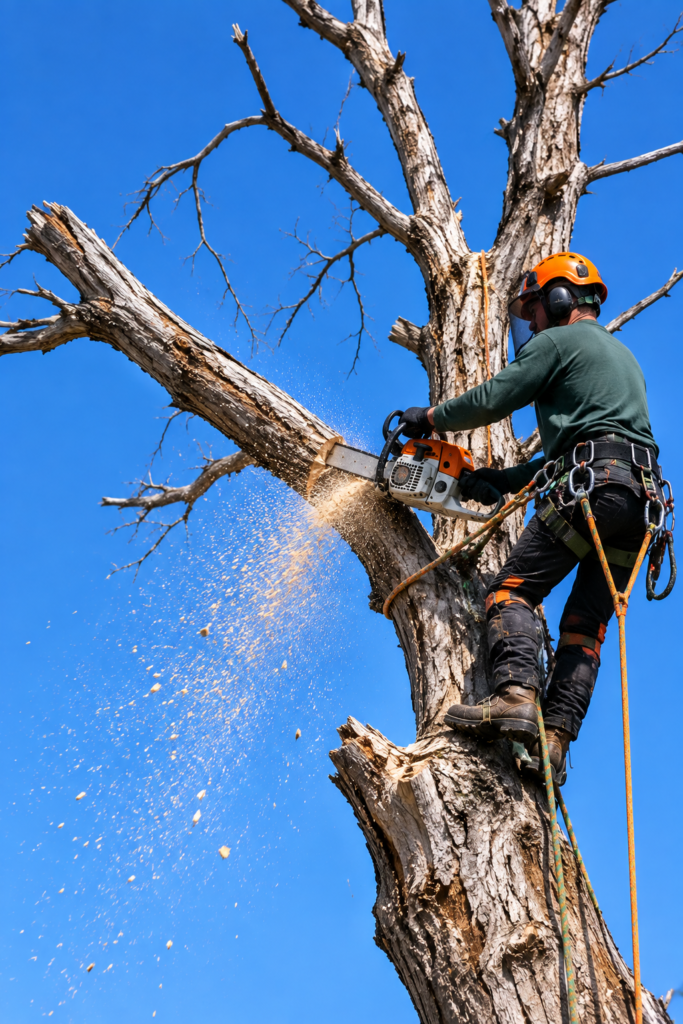
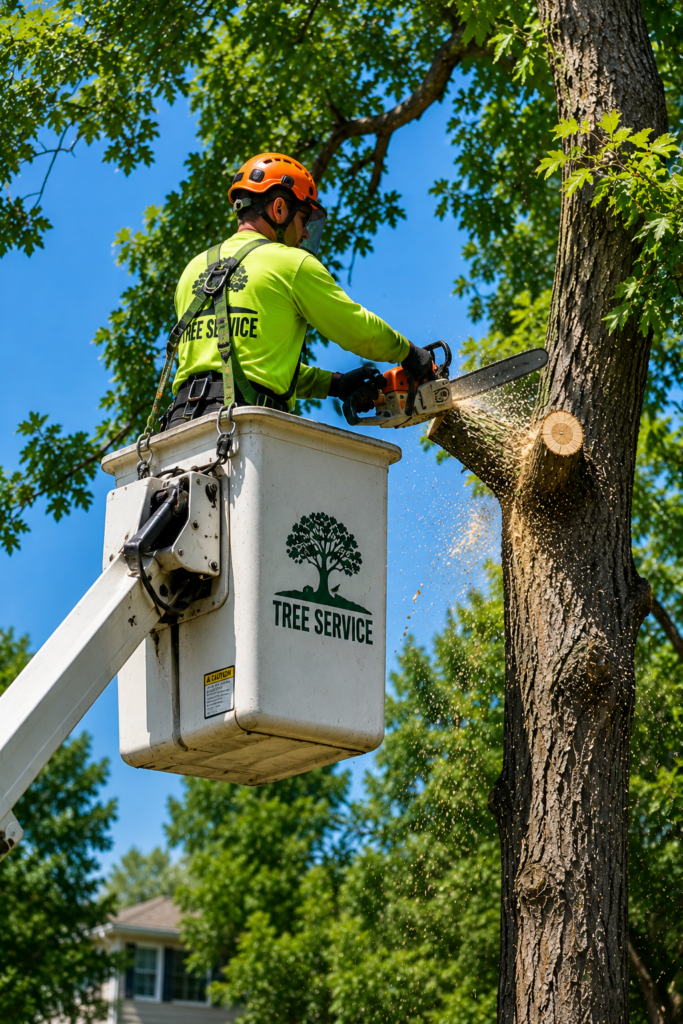
A tree risk assessment may be appropriate when visible changes raise concerns about a tree’s stability or the condition of its branches. Large cracks, cavities, decay, dead branches, damaged limbs, unusual leaning, or changes around the roots can all warrant closer evaluation.
Assessment may also be useful after strong winds, storms, construction activity, or other events that could affect the tree. Broken branches, newly exposed roots, changes in soil around the base, or movement in the tree may require additional attention.
The tree’s location is also important. A defect may require greater consideration when a tree or large branch could affect a house, driveway, walkway, vehicle, neighboring property, or another frequently used area.
Depending on the findings, our other tree services may help with pruning, deadwood removal, branch removal, cabling and bracing, hazardous tree removal, tree removal, or other appropriate tree care.
A tree risk assessment considers visible conditions that may affect the likelihood of a branch, stem, or entire tree failing. The assessment should consider the tree as a whole rather than focusing only on one obvious defect.
Major branches and branch unions may be checked for cracks, decay, deadwood, weak attachments, previous breakage, and other structural concerns. The trunk can also be examined for cavities, damaged bark, fungal growth, splits, decay, or changes that may affect its condition.
Visible roots and the area around the base of the tree can provide additional information. Root damage, soil disturbance, decay, construction activity, or changes in the tree’s lean may require closer consideration.
The approach to tree risk assessment in San Diego CA should also consider what could be affected if a branch or tree failed, including people, buildings, vehicles, walkways, neighboring properties, and other frequently used areas. You can also read about the factors considered when evaluating tree risk, what to expect from a tree risk assessment, and questions to ask after receiving your findings.
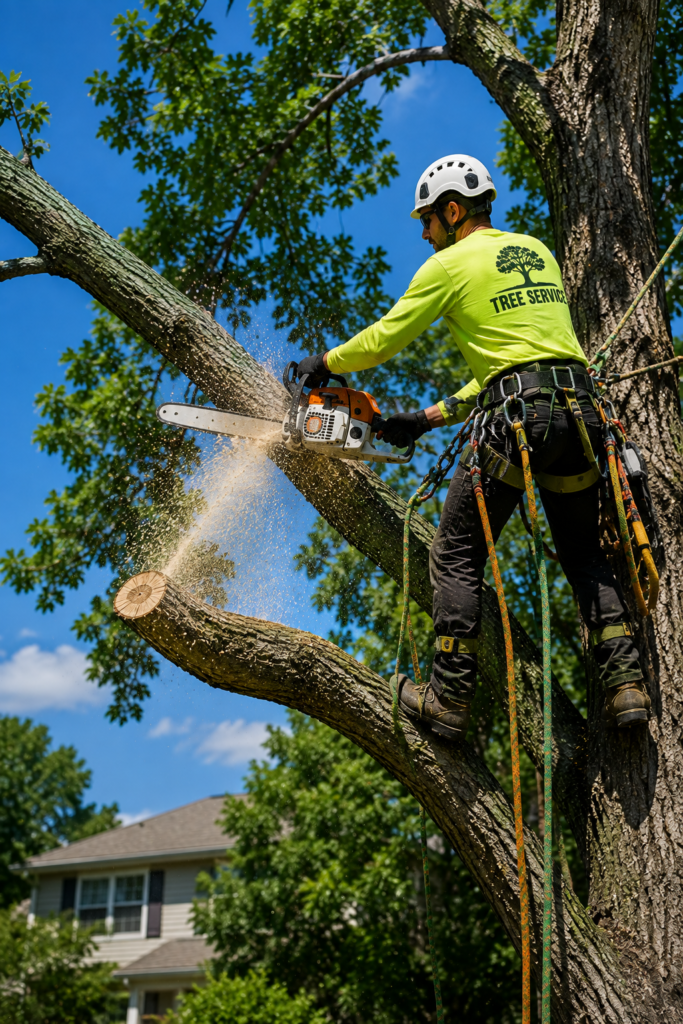
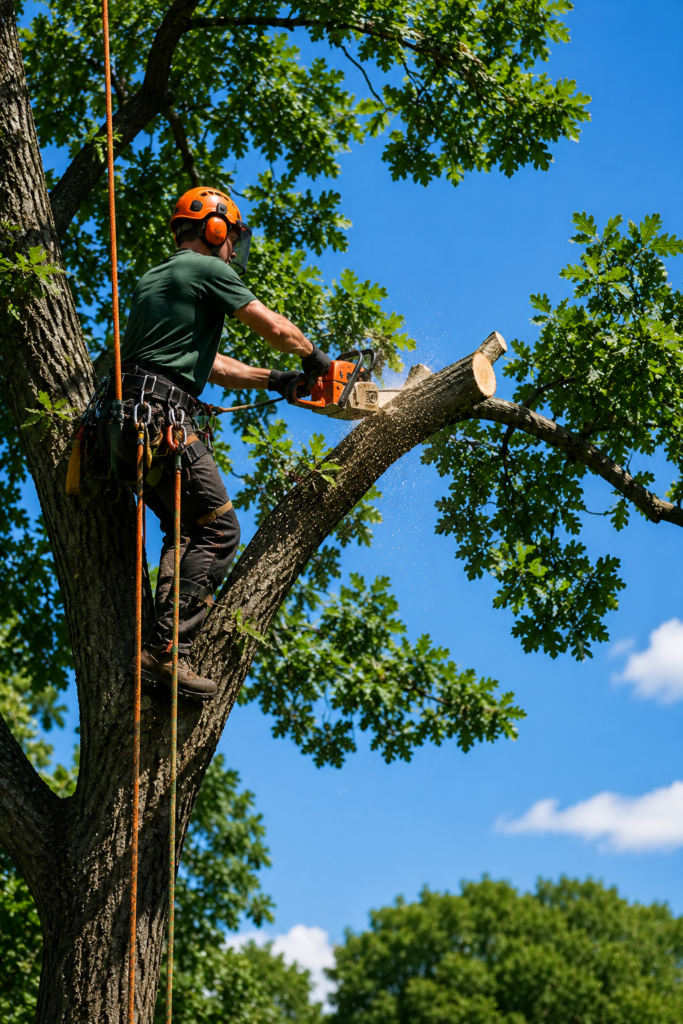
Trees growing close to houses, garages, driveways, walkways, patios, pools, parking areas, and other developed spaces may require careful assessment when structural defects or damage are present.
The location of large branches, the direction of the tree’s lean, and the condition of the trunk and visible roots should be considered alongside nearby buildings, vehicles, neighboring properties, and areas regularly used by people.
A defect does not have the same level of concern in every location. A damaged branch over an isolated area may present different considerations from a similar branch positioned above a roof, driveway, entrance, or frequently used walkway.
Tree condition, potential failure points, surrounding property, access, utility lines, and other nearby features should all be considered when evaluating tree-related risk in developed areas.
Trees within the public right-of-way may be handled differently from trees entirely on private property. Property owners can check the City of San Diego tree maintenance guidelines for information about street tree maintenance and reporting tree-related concerns.
After a tree risk assessment, the appropriate next step depends on the conditions observed, the likelihood of failure, and what could be affected if a branch or tree failed. Not every tree with a defect requires removal.
Some trees may simply require monitoring or routine maintenance. Dead, damaged, or poorly positioned branches may be addressed through pruning, deadwood removal, or selective branch removal where appropriate.
Structural concerns involving weak branch unions, multiple stems, or heavy limbs may require further evaluation to determine whether pruning or supplemental support such as cabling and bracing could be suitable.
Trees with severe decay, major structural damage, significant root problems, extensive storm damage, or other serious concerns may require a different approach. The appropriate response should be based on the individual tree, its condition, its location, and the potential consequences of failure.
Tree risk assessments can be useful for both residential and commercial properties when there are concerns about a tree’s condition, structure, or location. At a home, trees may be positioned near roofs, driveways, patios, pools, fences, vehicles, gardens, or neighboring properties.
Commercial properties may have trees around apartment communities, offices, retail spaces, parking lots, entrances, walkways, and landscaped areas where branch or tree failure could affect people, vehicles, buildings, or access.
Tree species, size, age, condition, structural defects, visible roots, surrounding property, and potential targets should all be considered. Recent storms, construction activity, or noticeable changes in the tree can also provide important context.
For homes and businesses, tree risk assessment in San Diego CA can help identify potential concerns and determine whether monitoring, maintenance, pruning, additional evaluation, structural support, or removal may be appropriate.