- (619) 815 5317
- info@treeservicesandiegoca.net
- Mon - Sat: 9:00 - 19:00

Tree cabling and bracing provides supplemental support for selected trees with structural weaknesses. Cables or braces may be used when branches, stems, or weak unions need additional support while the tree remains standing.
Some mature trees develop multiple trunks, heavy limbs, cracks, or weak branch connections that may place additional stress on parts of the tree. Before installing any support system, the tree’s overall condition and structure should be carefully assessed.
Cabling generally uses flexible support installed between selected branches or stems, while bracing commonly uses rods to provide support around weak or splitting connections. The appropriate method depends on the individual tree and the structural concern.
Cabling and bracing does not make every damaged or unstable tree safe. Trees with severe decay, major root problems, extensive structural failure, or other serious defects may require a different approach.
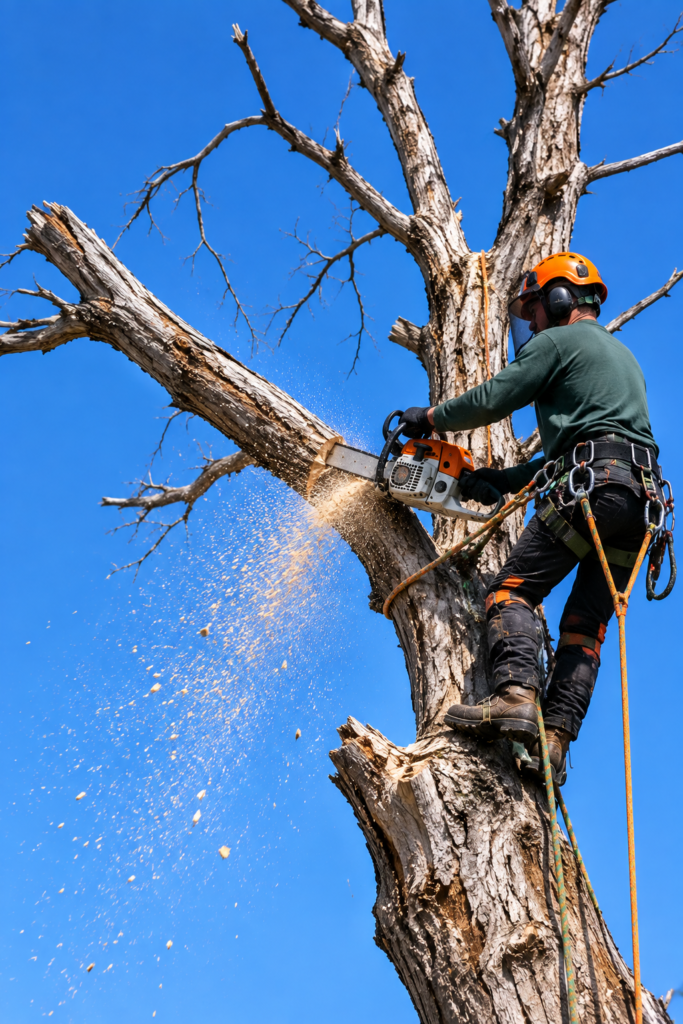
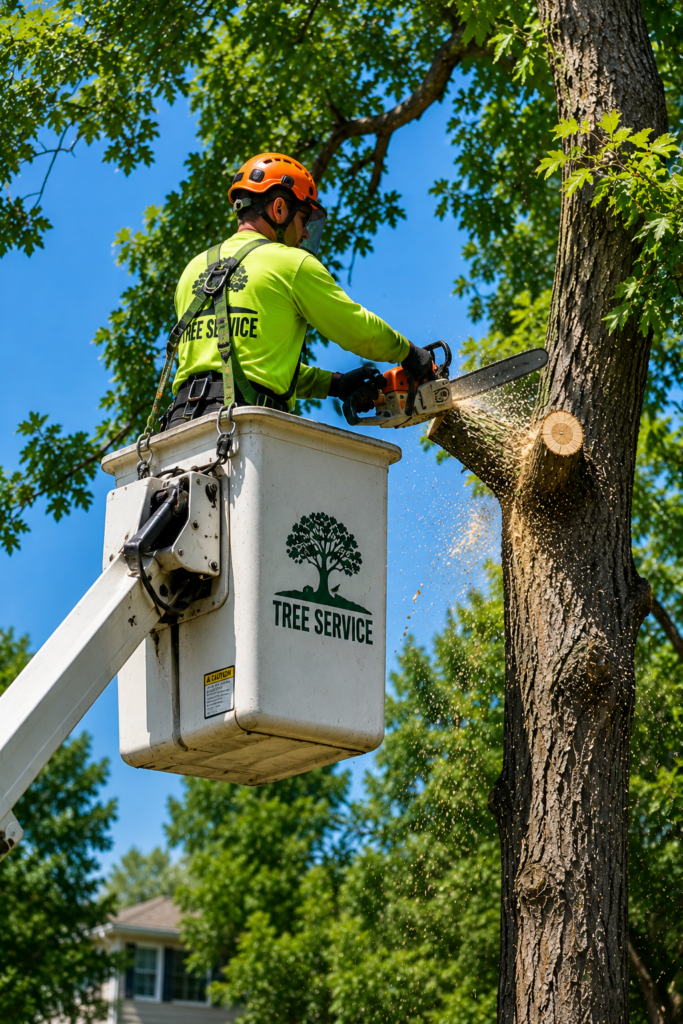
Cabling or bracing may be considered when a tree has structural weaknesses but may still be suitable to retain. Common concerns can include weak branch unions, multiple stems, heavy limbs, cracks, or branches that place unusual stress on their attachment points.
Mature trees sometimes develop large branches that cannot support their weight as effectively as they once did. Supplemental support may help limit movement or reduce stress on selected parts of the tree.
A support system should not be installed simply because a tree is large. The trunk, roots, branches, decay, cracks, previous damage, and overall structure should be assessed before deciding whether cabling or bracing is appropriate.
Some structural problems may be better addressed through pruning, branch removal, or complete tree removal. Our other tree services can help determine which type of tree care is appropriate for the condition of the tree.
Tree cabling and bracing systems are designed to provide supplemental support to selected branches, stems, or weak connections. The type and position of the support should be based on the tree’s structure and the specific weakness being addressed.
Cabling typically involves installing a support system between selected branches or stems higher in the canopy. This can help limit excessive movement and reduce some of the stress placed on weak branch unions.
Bracing commonly uses rods installed through or around weak connections, split stems, or other suitable structural areas. In some situations, cabling and bracing may be used together as part of the same support plan.
The approach to tree cabling and bracing in San Diego CA should be based on a careful assessment of the tree’s condition, structure, size, and surrounding property. Support systems should also be inspected periodically because trees continue to grow and change. For more detail, read when cabling or bracing might be considered, what cabling and bracing are each intended to do, and what to expect after cables or braces are installed.
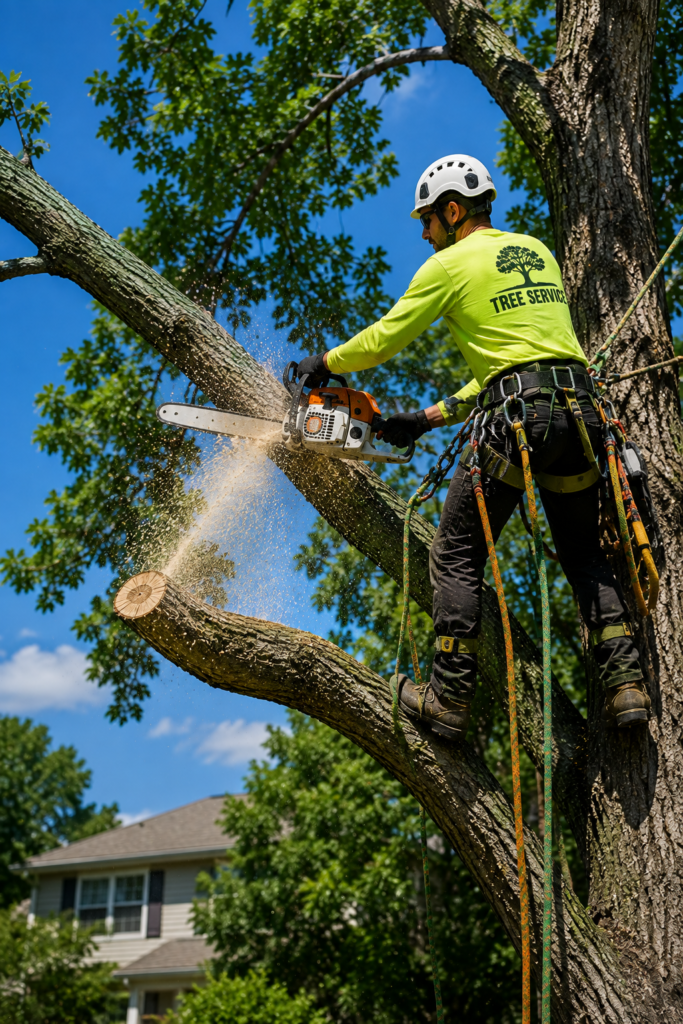
Trees growing near houses, garages, driveways, patios, pools, walkways, and other developed areas may require closer attention when structural weaknesses are present. Heavy branches or multiple stems can extend over areas where people, vehicles, or property are located.
Before a support system is considered, the tree should be assessed for weak branch unions, cracks, decay, damaged limbs, root problems, and other structural concerns. The position of nearby buildings and frequently used areas should also be considered.
Cabling or bracing may provide supplemental support for suitable trees, but it does not eliminate every risk associated with a structurally weak tree. Severe defects may require pruning, branch removal, or another approach instead.
Nearby utility lines, neighboring properties, landscaping, access routes, and available working space should also be considered when planning structural support for trees around developed property.
Trees within the public right-of-way may have different maintenance requirements from trees entirely on private property. Property owners can check the City of San Diego tree maintenance guidelines for information about street tree maintenance and reporting tree-related concerns.
Tree cabling and bracing can provide supplemental support to selected branches, stems, and weak connections when a tree is suitable to retain. The system can help limit excessive movement and reduce some of the stress placed on structurally weak areas.
Support systems may be useful for mature trees with heavy limbs, multiple stems, weak branch unions, or other structural concerns that do not necessarily require immediate removal of the entire tree.
Cabling and bracing may also be combined with selective pruning when reducing the weight of certain branches could improve the overall support plan. The appropriate approach depends on the condition and structure of the individual tree.
Cabling and bracing should not be treated as a permanent guarantee against branch or tree failure. Trees and support systems can change over time, so periodic inspection is important to check the tree’s condition and the effectiveness of the installed system.
Tree cabling and bracing can be considered for suitable trees on both residential and commercial properties. At a home, structurally weak trees may be located near roofs, driveways, patios, pools, fences, vehicles, gardens, or neighboring properties.
Commercial properties may have mature trees around apartment communities, offices, retail spaces, parking lots, walkways, entrances, and landscaped areas where structural concerns require careful assessment.
Tree size, species, condition, branch structure, weak unions, existing damage, access, and surrounding property should all be considered before a support system is installed. Cabling or bracing is not appropriate for every damaged or unstable tree.
For homes and businesses, tree cabling and bracing in San Diego CA should focus on providing suitable supplemental support while considering the tree’s overall condition, structure, and long-term maintenance needs.