- (619) 815 5317
- info@treeservicesandiegoca.net
- Mon - Sat: 9:00 - 19:00

A tree inspection can help identify visible problems affecting a tree’s health, condition, and structure. Trees may develop dead branches, cracks, cavities, decay, damaged limbs, root problems, or other changes that are worth examining more closely.
During an inspection, the tree’s trunk, major branches, canopy, visible roots, and surrounding area can be reviewed for signs of damage or decline. The tree’s location and its relationship to buildings, driveways, walkways, vehicles, utility areas, and neighboring properties should also be considered.
Some problems are easy to notice, while others may require closer assessment. Changes in leaf growth, branch condition, trunk appearance, soil around the roots, or the tree’s position can provide useful information about its overall condition.
An inspection can help determine whether the tree may benefit from pruning, deadwood removal, branch removal, structural support, additional assessment, or another appropriate type of tree care.
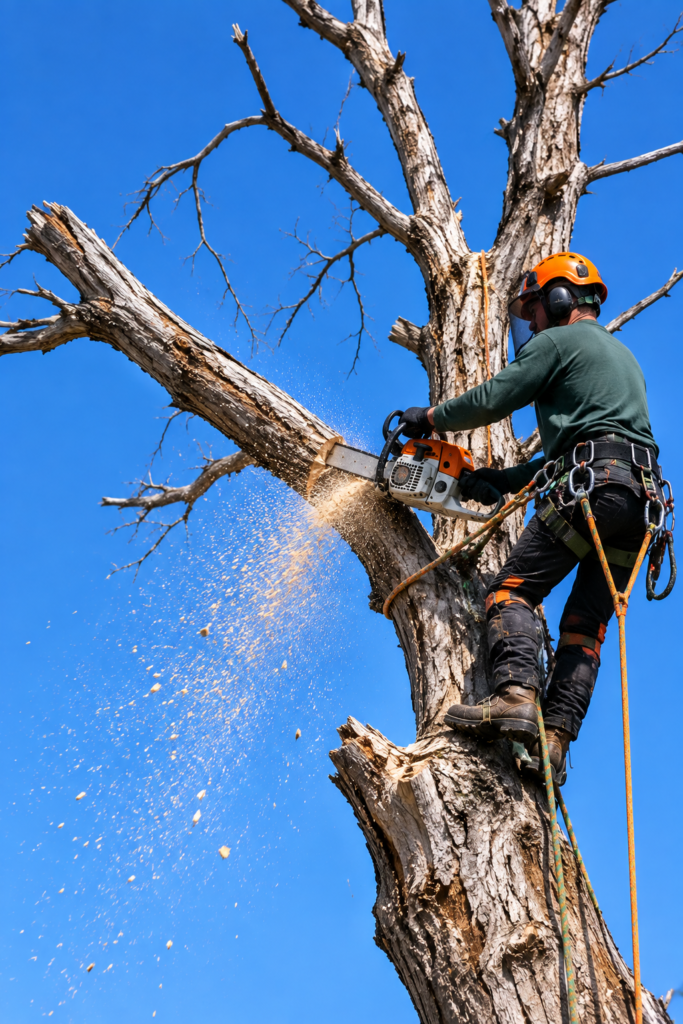
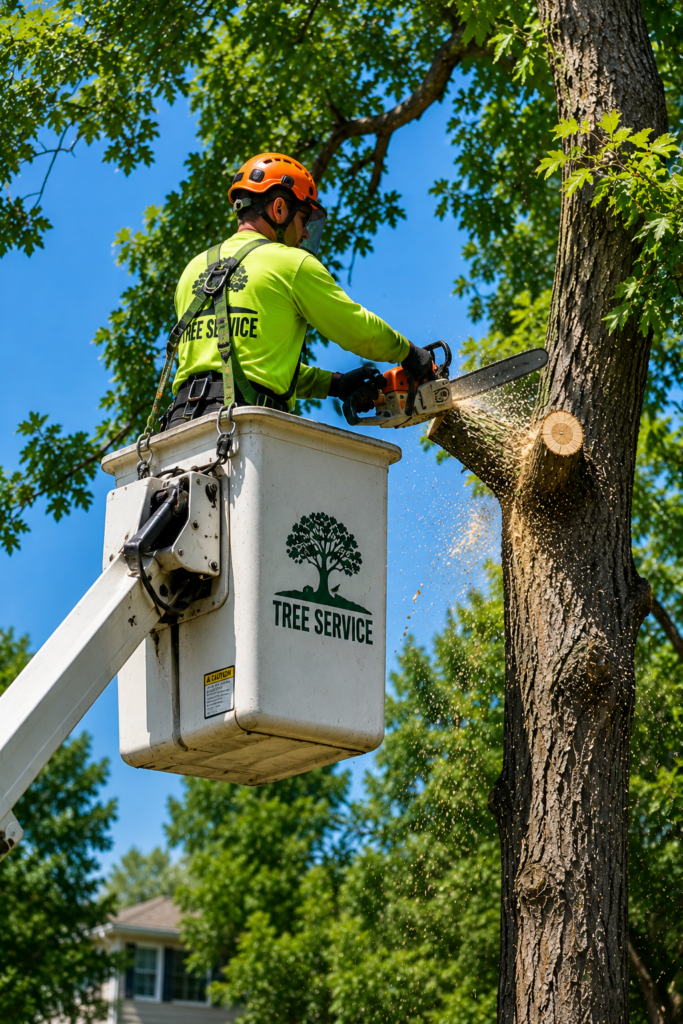
A tree may need inspection when there are noticeable changes in its appearance, growth, or structure. Dead branches, cracks, cavities, peeling bark, fungal growth, unusual leaning, or damaged limbs can all be reasons to take a closer look.
An inspection can also be useful after strong winds or storms, particularly when branches have broken, the canopy has changed, or the soil around the roots appears disturbed. Trees near homes, driveways, walkways, parking areas, and other frequently used spaces may deserve additional attention when damage is visible.
Mature trees can also benefit from periodic inspection even when there is no obvious recent damage. Changes in branch structure, decay, root conditions, and surrounding property can develop gradually over time.
Depending on what is found, our other tree services may help with pruning, trimming, deadwood removal, branch removal, cabling and bracing, hazardous tree removal, or other appropriate tree care.
A tree inspection should consider the overall condition of the tree rather than focusing on a single branch or visible problem. The canopy, trunk, major branch connections, visible roots, and surrounding ground can all provide useful information.
Branches may be checked for deadwood, cracks, breakage, decay, crossing growth, weak attachments, or previous storm damage. The trunk can also be examined for cavities, damaged bark, cracks, fungal growth, or other visible signs of deterioration.
Visible roots and the area around the base of the tree may show signs of damage, decay, soil disturbance, or changes that could affect the tree. The tree’s lean and its relationship to nearby structures and frequently used areas should also be considered.
The approach to tree inspection in San Diego CA should depend on the tree’s species, size, age, condition, location, and any specific concerns noticed by the property owner. Learn when you might want a tree inspected, what is looked at during a visual tree inspection, and what happens when an inspection finds a concern.
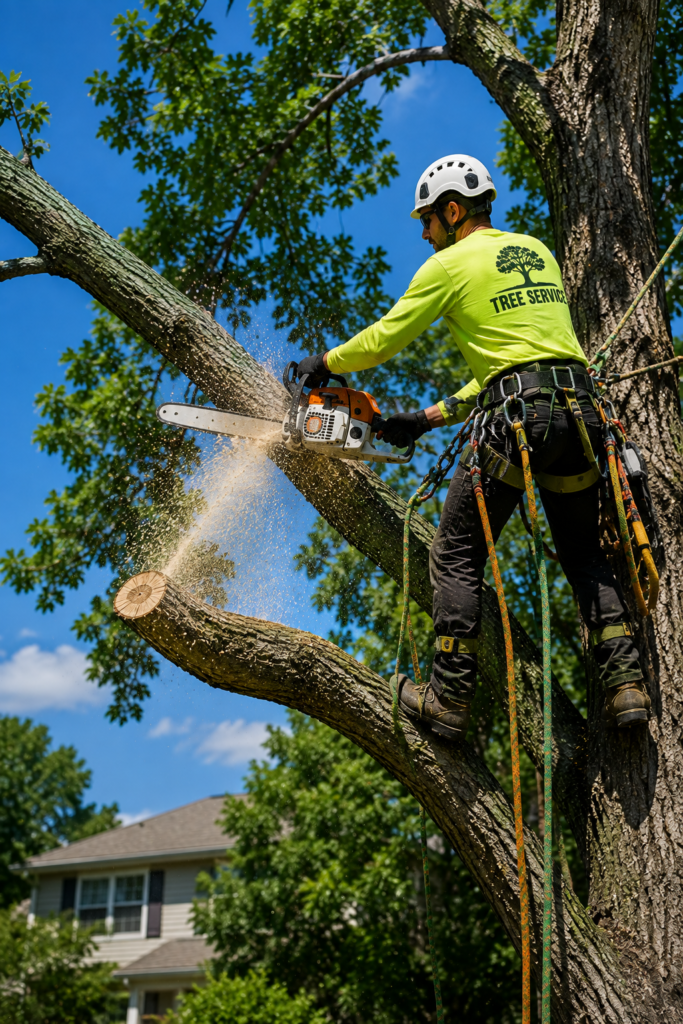
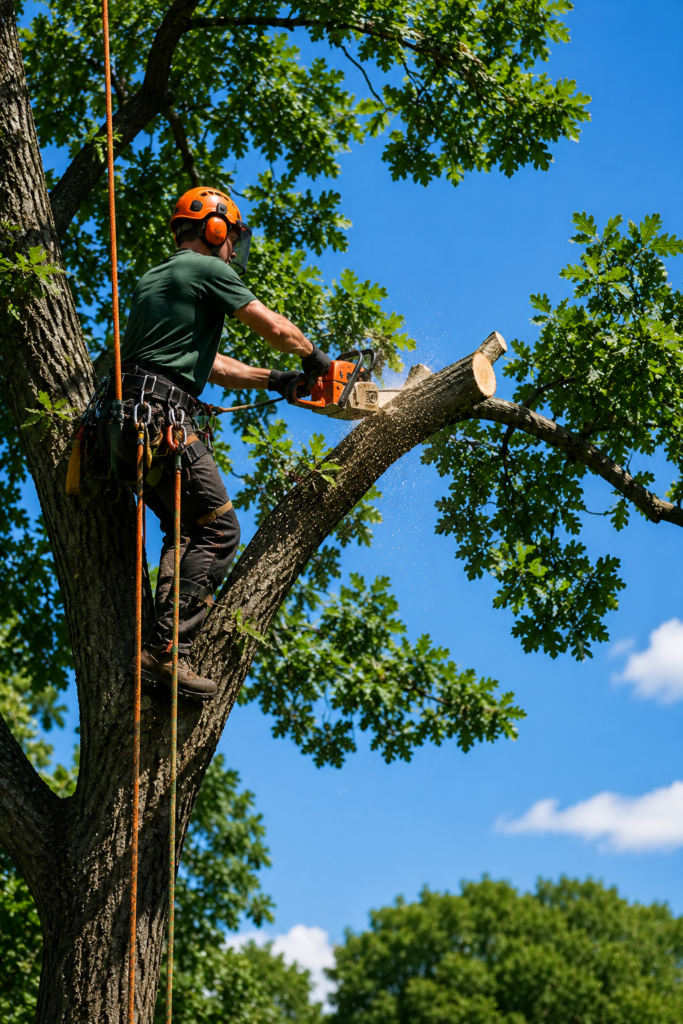
Trees growing close to houses, garages, driveways, walkways, patios, pools, fences, and other developed areas may require additional attention when signs of damage or decline appear. Branches, trunks, and roots can interact with surrounding property as trees grow and change over time.
During an inspection, the position of major branches and their relationship to roofs, vehicles, neighboring properties, and frequently used areas should be considered. Dead, cracked, hanging, or damaged branches may require closer assessment.
The trunk and visible root area can also be checked for decay, cavities, cracks, damage, soil disturbance, or other changes. These observations can help determine whether additional tree care or a more detailed assessment may be appropriate.
Nearby utility lines, landscaping, access routes, structures, and neighboring properties should also be considered when evaluating a tree in a developed area.
Trees within the public right-of-way may be handled differently from trees entirely on private property. Property owners can check the City of San Diego tree maintenance guidelines for information about street tree maintenance and reporting tree-related concerns.
After a tree has been inspected, the next step depends on what was observed. A healthy tree with no significant visible concerns may simply require routine monitoring and appropriate maintenance as it continues to grow.
Trees with dead, damaged, crossing, or poorly positioned branches may benefit from pruning, trimming, deadwood removal, or selective branch removal. Structural concerns involving weak limbs or multiple stems may require further assessment to determine whether supplemental support is appropriate.
More serious signs such as extensive decay, major cracks, severe storm damage, significant root problems, or substantial structural deterioration may require a closer evaluation before deciding how the tree should be managed.
An inspection does not automatically mean that a tree needs to be removed. The appropriate response should be based on the tree’s condition, structure, location, surrounding property, and the nature of any problems identified.
Tree inspections can help property owners better understand the condition of trees on both residential and commercial properties. At a home, trees may be located near roofs, driveways, patios, pools, fences, vehicles, gardens, or neighboring properties.
Commercial properties may have trees around apartment communities, offices, retail spaces, parking lots, walkways, entrances, and landscaped areas where changes in tree condition or structure may need attention.
Tree species, size, age, condition, branch structure, visible roots, surrounding property, and any signs of damage or decline should all be considered during an inspection. Recent storms or noticeable changes in the tree may also provide useful context.
For homes and businesses, tree inspection in San Diego CA can help identify visible concerns and determine whether routine maintenance, pruning, additional assessment, or other tree care may be appropriate.