- (619) 815 5317
- info@treeservicesandiegoca.net
- Mon - Sat: 9:00 - 19:00

A hazardous tree is a tree with defects or damage that may increase the risk of branches or the entire tree failing. Problems can develop because of decay, dead wood, damaged roots, severe leaning, cracks, disease, or previous storm damage.
Before deciding whether a hazardous tree should be removed, the trunk, major branches, roots, and surrounding area should be inspected. The tree’s location near homes, driveways, walkways, vehicles, and other property also affects the level of concern.
Some tree problems can be managed by pruning or removing individual damaged branches. When serious structural problems affect the stability of the whole tree, complete removal may be the safer option.
Hazardous trees can be difficult to remove because weak or damaged sections may respond unpredictably during cutting. Careful planning and controlled removal methods help reduce unnecessary risk to the surrounding property.
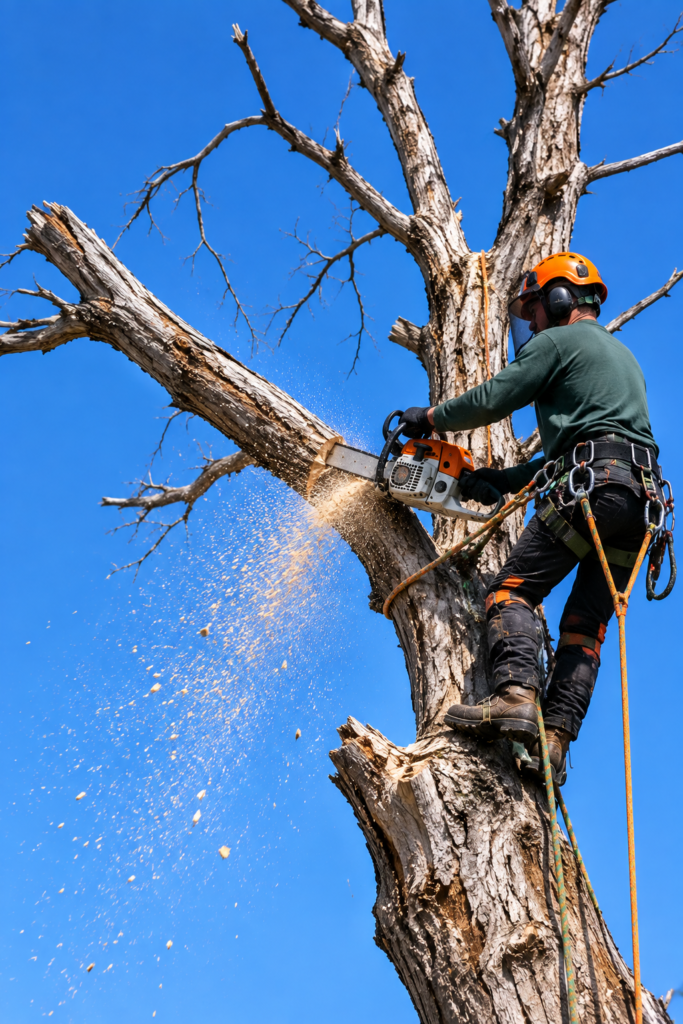
Some hazardous tree conditions are easy to notice, while others may require closer inspection. Large dead branches, deep cracks in the trunk, broken limbs, cavities, and visible decay can be signs that part of a tree has become weak.
A tree that suddenly develops a strong lean may also need attention, especially when the soil around its base has lifted or roots have become exposed. Fungal growth around the trunk or roots can sometimes be associated with decaying wood.
Changes in the canopy can provide other warning signs. Large areas of dead branches, unusual leaf loss, or repeated branch failure may indicate that the tree is declining or has structural problems.
Finding a defect does not automatically mean the whole tree needs removal. Our other tree services can help with inspection, pruning, trimming, deadwood removal, and other appropriate tree care when the tree can safely remain.
Large hazardous trees can be difficult to remove because heavy branches and sections of trunk may extend over houses, driveways, fences, vehicles, landscaping, or neighboring properties.
Structural problems can make the work more complex. Dead branches, cracks, cavities, decay, weak branch connections, or damaged roots may affect how different parts of the tree respond when cutting begins.
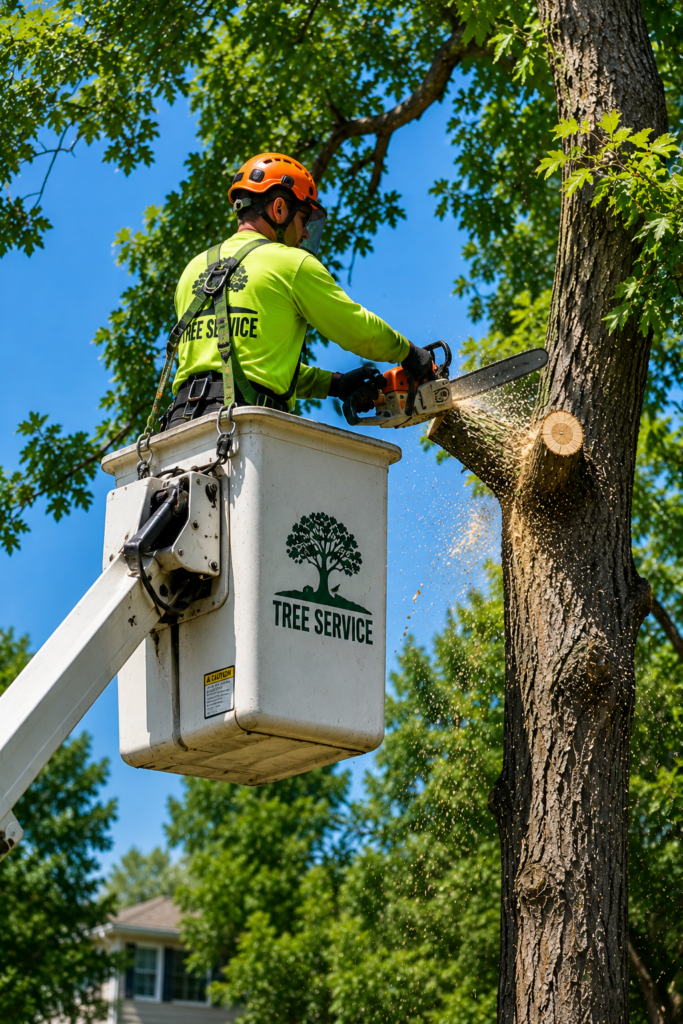
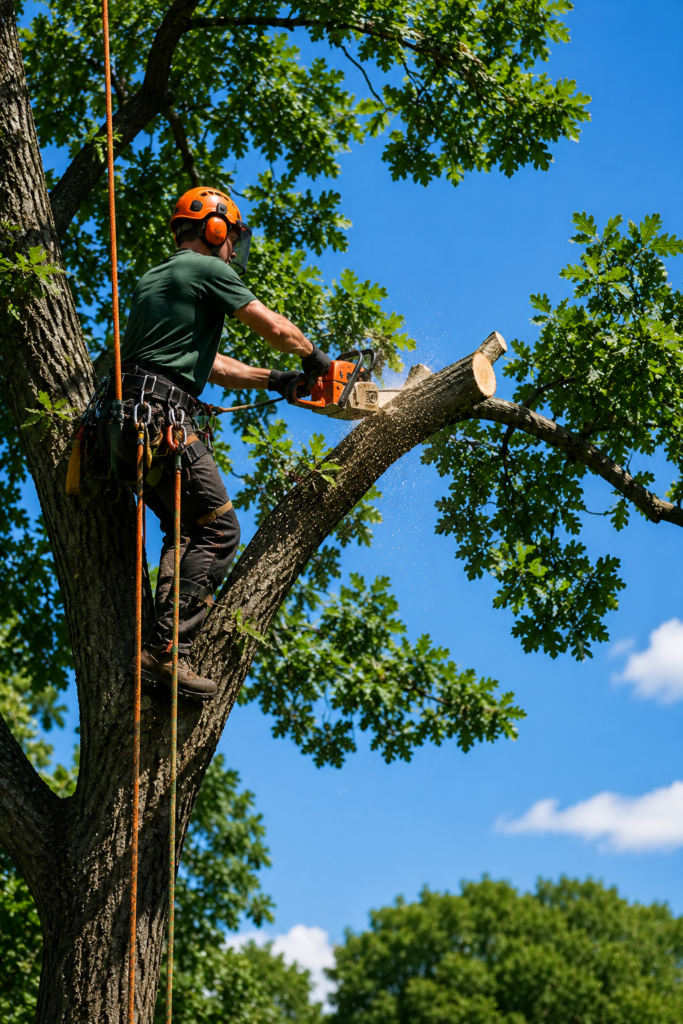
Large trees may need to be dismantled in smaller sections rather than taken down in one piece. Branches and sections of trunk can be carefully removed to provide greater control in areas with limited working space.
The right approach to hazardous tree removal in San Diego CA depends on the tree’s size, condition, location, access, and the potential hazards around it.
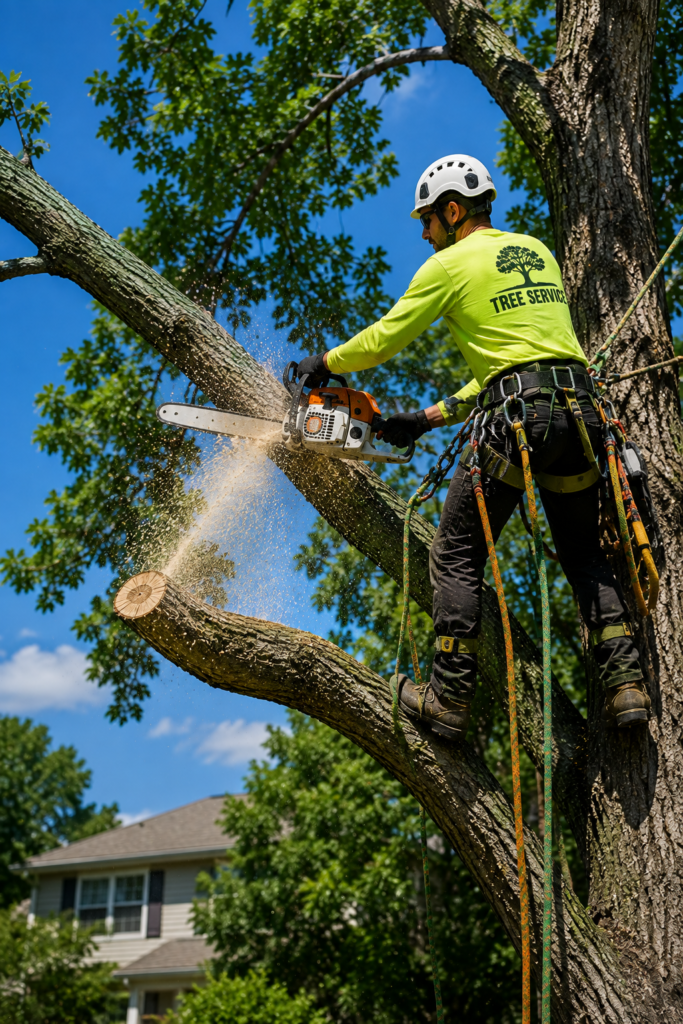
A hazardous tree growing close to a house, garage, fence, driveway, pool, or other structure can create additional concerns because there may be little room for branches or sections of trunk to fall safely.
Trees with severe leaning, damaged roots, large dead branches, or cracks in the trunk may require careful assessment when buildings or other property are within their potential fall area.
During removal, large branches may need to be cut into smaller sections and carefully lowered. The trunk can also be dismantled gradually when allowing large pieces to fall freely could damage nearby property.
Available working space, access for equipment, neighboring properties, landscaping, and other obstacles should all be considered when planning the removal of a hazardous tree.
Trees within the public right-of-way may be handled differently from trees entirely on private property. Property owners can check the City of San Diego tree maintenance guidelines for information about street trees and reporting tree-related concerns.
Not every tree with a defect needs to be removed. The decision depends on the type of damage, the overall condition of the tree, and the risk it may create for people or property.
Some problems may be managed by removing dead or damaged branches, pruning weak growth, reducing excessive weight, or providing additional support where appropriate. A professional assessment can help determine whether these options are suitable.
Removal may become necessary when serious decay affects the trunk or roots, major structural cracks are present, the tree is severely unstable, or there is a high risk of the tree failing.
Preserving a healthy tree is often preferable when it can safely remain. Removal should be considered when the condition of the tree and its surroundings make other reasonable tree care options unsuitable.
Hazardous trees can create concerns at both residential and commercial properties. At a home, an unstable tree may threaten a roof, driveway, fence, yard, vehicle, or neighboring property.
Commercial properties may have hazardous trees near parking lots, apartment communities, offices, retail spaces, walkways, entrances, and other areas used by employees, customers, tenants, and vehicles.
Tree size, structural condition, access, nearby buildings, and available working space should all be considered before removal begins. Large or weakened trees may need to be dismantled carefully in smaller sections.
For homes and businesses, hazardous tree removal in San Diego CA should focus on controlling the risks presented by the tree while reducing unnecessary damage to the surrounding property.