- (619) 815 5317
- info@treeservicesandiegoca.net
- Mon - Sat: 9:00 - 19:00

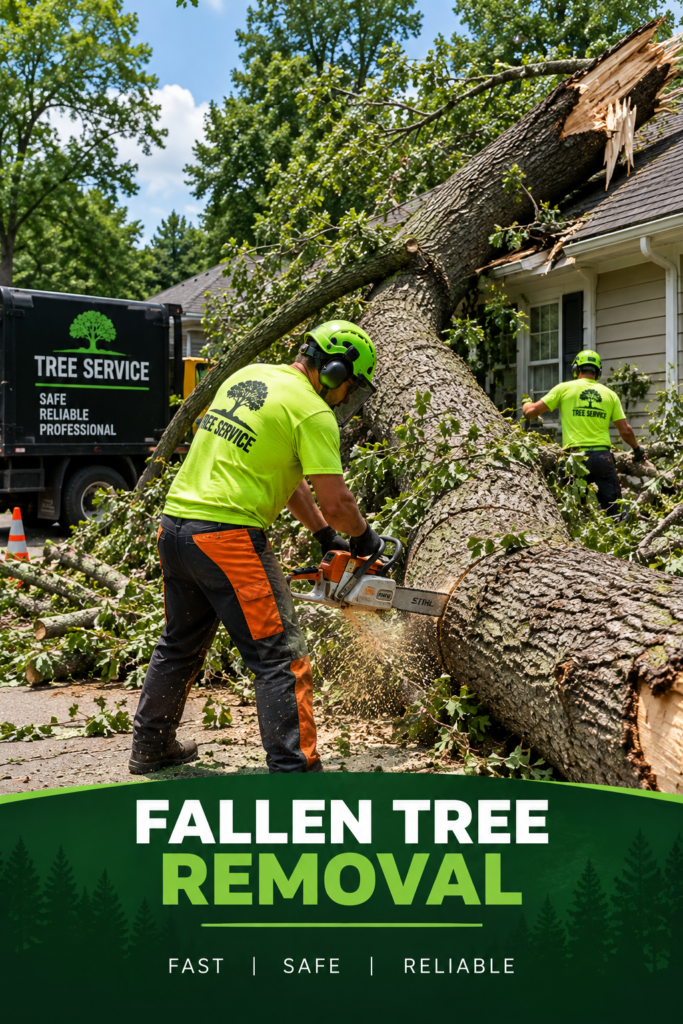
Storm damage tree service in San Diego CA can help when strong winds, heavy rain, or severe weather leave trees broken, fallen, leaning, or unstable.
Storm-damaged trees may have broken branches, split trunks, exposed roots, damaged canopies, or sections that have fallen onto yards, driveways, buildings, fences, vehicles, or other areas of a property.
Before cleanup or removal begins, the tree and surrounding area should be assessed for hazards. Hanging branches, unstable trunks, nearby structures, utility lines, slopes, and limited equipment access can affect how the work should be approached.
Depending on the extent of the damage, the appropriate solution may involve removing hazardous branches, pruning damaged sections, removing the entire tree, or clearing fallen tree debris.
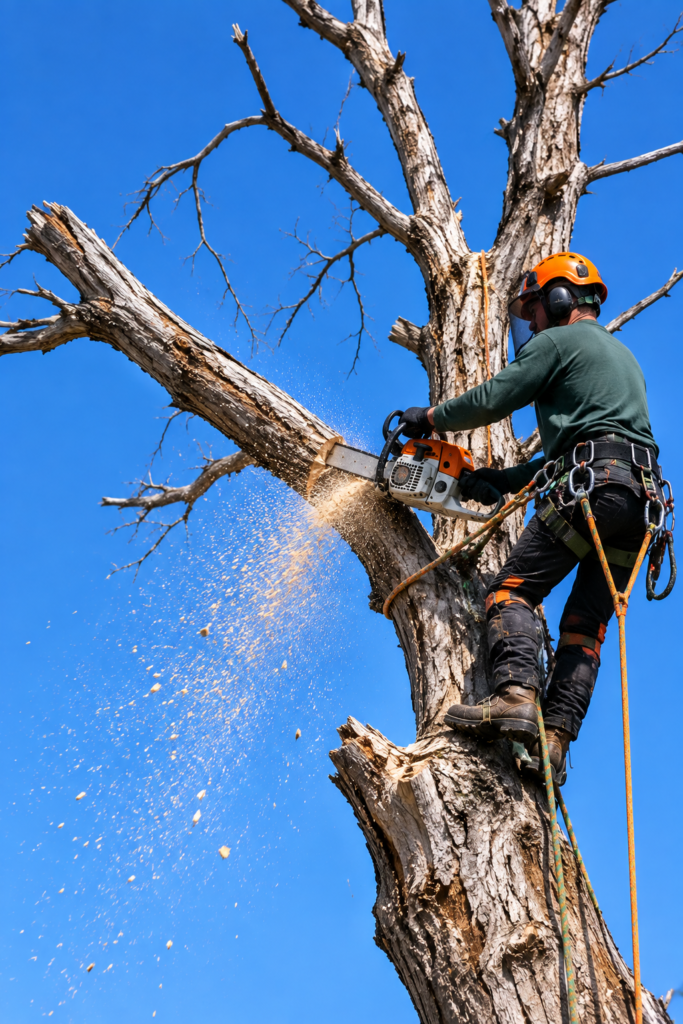
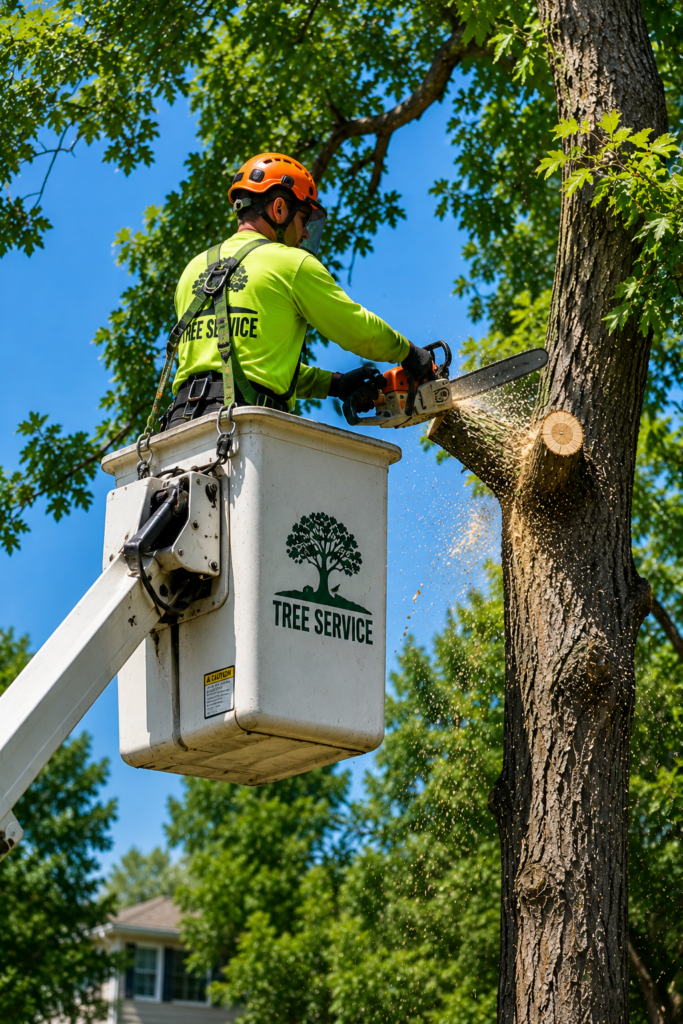
Storms can damage trees in several ways. Strong winds may break large branches, split trunks, bend or uproot trees, and weaken sections of the canopy.
Heavy rain and saturated soil can reduce root stability, especially when a tree already has damaged roots, poor structure, or an existing lean. In some cases, an entire tree may shift or fall.\n\n
Broken branches can remain hanging in the canopy or become lodged in nearby trees. These damaged limbs may pose a hazard to people, vehicles, roofs, driveways, walkways, and other areas below.
Some storm damage is obvious, while cracks, weakened branch attachments, or root movement may be less noticeable. A careful assessment can help determine what work is appropriate.
Our other tree services can help when tree removal, trimming, pruning, stump grinding, stump removal, or emergency tree work is needed.
Fallen and severely damaged trees can create difficult conditions after a storm, especially when trunks or large branches are resting on buildings, fences, vehicles, driveways, or other trees.
Broken tree sections may remain under tension or shift unexpectedly during removal. Hanging branches and partially supported limbs can also create hazards around the work area.
Before cutting or removing damaged sections, the tree and surrounding property should be evaluated for unstable wood, nearby structures, utility lines, and safe equipment access. For information about electrical safety around damaged trees and power lines, see SDG&E safety information.
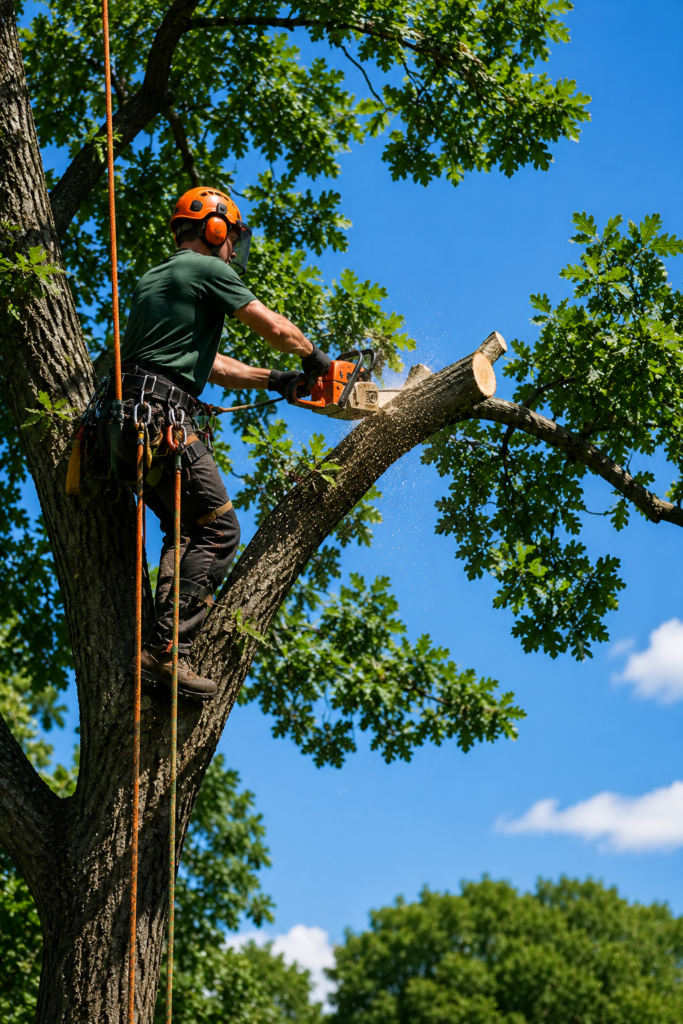
Professional equipment and careful planning can help control damaged tree sections during removal. The right approach to storm damage tree service in San Diego CA depends on the tree’s condition, location, accessibility, and the extent of the storm damage. After a storm, our guides on what to inspect from a safe distance, how to prioritize multiple damaged trees, and what to expect during a post-storm visit can help.
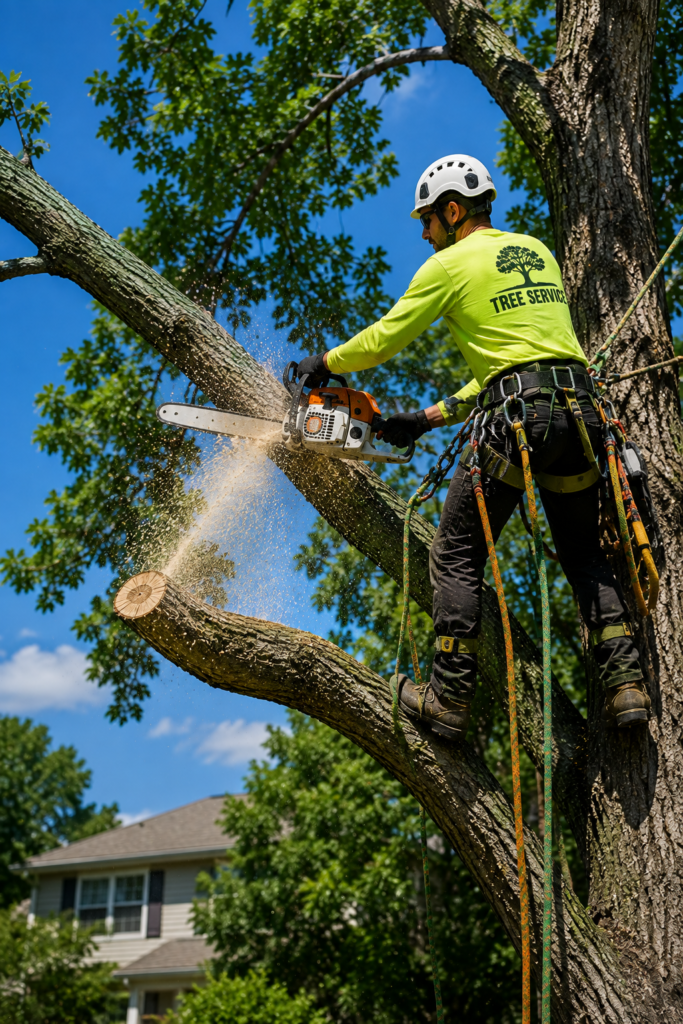
Not every tree damaged by a storm needs to be removed. Some trees can remain in place when the trunk, root system, and main structural branches are still stable.
The extent and location of the damage are important. A tree with a few broken branches may only need corrective pruning, while a tree with a severely split trunk, major root damage, or significant structural failure may require removal.
The tree’s overall condition should also be considered. Existing decay, disease, weak branch attachments, previous damage, and poor structure can affect whether retaining the tree is practical.
A careful assessment can help determine whether damaged branches can be removed and the tree retained, or whether complete removal is the more appropriate option.
Storm damage can leave a property covered with broken branches, sections of trunk, leaves, and other tree debris. Cleanup is often needed after the immediate hazards have been addressed.
Larger branches and fallen tree sections may need to be cut into manageable pieces before they can be moved from the work area. Hanging or unstable branches should be dealt with carefully before general debris cleanup begins.
If an entire tree has fallen or must be removed because of storm damage, the stump may remain afterward. Stump grinding or complete stump removal can be considered depending on the location and future plans for the area.
Storm damage tree service in San Diego CA can include clearing damaged tree material and preparing the affected area for additional tree care, landscaping, or property repairs.
Residential properties may experience storm damage involving fallen trees, broken branches, leaning trunks, uprooted trees, or damaged canopies around homes, yards, driveways, fences, and neighboring properties.
Commercial properties can also require storm damage tree work around apartment communities, offices, retail properties, parking areas, walkways, access roads, and other managed landscapes.
Each situation should be evaluated based on the condition of the damaged tree and the surrounding property. Buildings, vehicles, utility lines, pedestrian areas, landscaping, slopes, and equipment access can all affect how the work is performed.
Storm damage tree service in San Diego CA can help residential and commercial property owners address damaged trees and determine whether removal, trimming, pruning, or cleanup is appropriate.