- (619) 815 5317
- info@treeservicesandiegoca.net
- Mon - Sat: 9:00 - 19:00

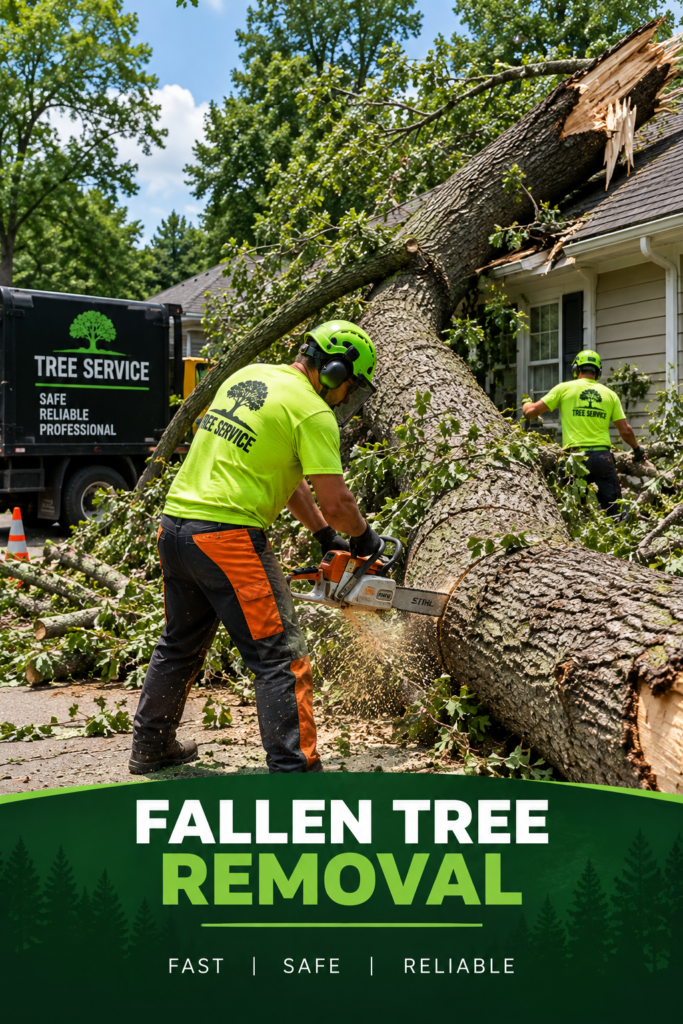
Strong winds and severe weather can cause trees to split, lean, lose large branches, or fall completely. When storm damage leaves a tree too unstable to remain safely in place, removal may be necessary.
Before removing a storm-damaged tree, the trunk, roots, branches, and surrounding area should be inspected. Cracks, exposed roots, hanging limbs, and changes in the tree’s position can help show how serious the damage may be.
Storm-damaged trees can be difficult to remove because broken sections may be under pressure or resting against buildings, fences, vehicles, or other trees. Cutting the wrong section first may cause unexpected movement.
Careful planning and controlled removal methods help manage damaged tree material while reducing the risk of additional damage to the surrounding property.
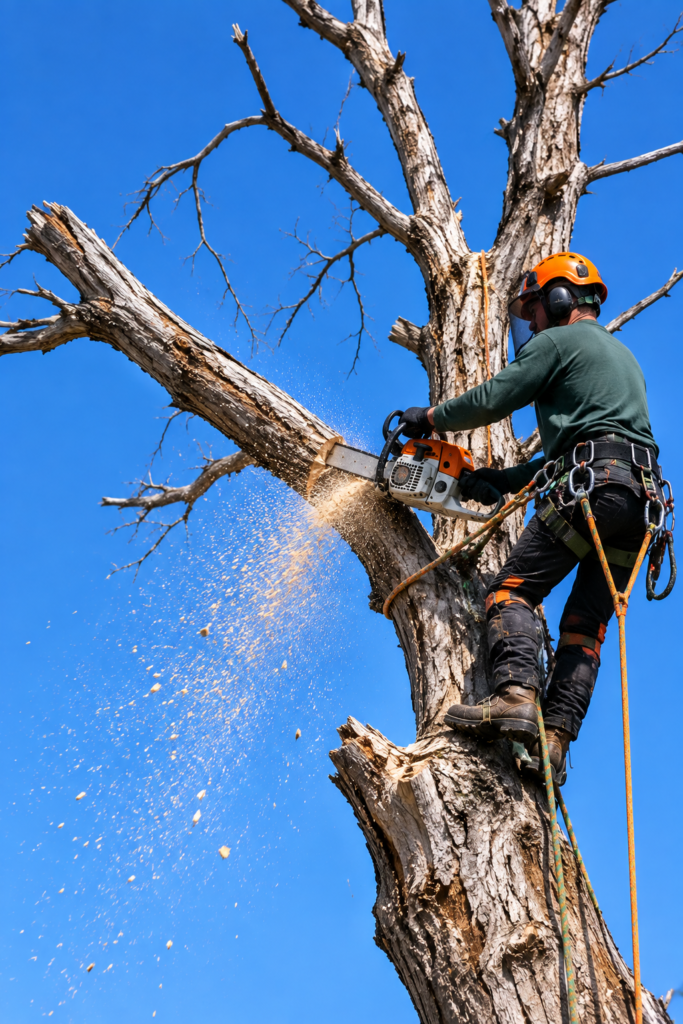
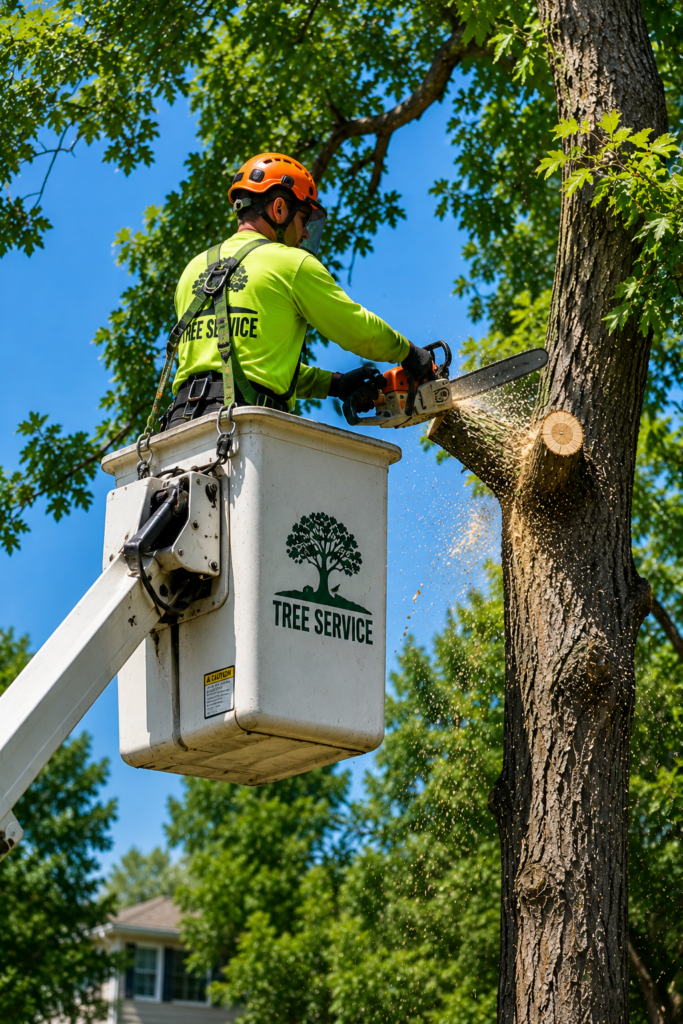
Not every tree damaged by a storm needs to be removed. Some trees may recover after broken or damaged branches are properly removed, while others may have serious structural damage that makes keeping them unsafe.
Removal may be needed when a tree has fallen, become severely uprooted, developed a major trunk split, or started leaning because its root system has failed. Extensive damage to the main trunk or several major limbs can also affect the stability of the tree.
The location of the tree matters as well. A damaged tree leaning toward a house, driveway, walkway, parking area, or neighboring property may create a greater risk if its condition continues to worsen.
When complete removal is not necessary, our other tree services may help with damaged branch removal, pruning, trimming, or other appropriate tree care.
Some tree hazards can become more dangerous if they are left unattended. A large broken branch may continue to hang above a driveway, roof, walkway, or parking area, while a badly leaning tree may become less stable as weather conditions change.
Fallen trees can also create urgent problems by blocking entrances, driveways, roads, or other important access points. If a tree has landed on a building, fence, vehicle, or other structure, removing it may require additional planning to prevent further damage.
Split trunks, exposed roots, cracked major limbs, and sections of dead wood can also indicate a serious problem. The tree should be assessed before anyone attempts to cut or move unstable material.
The right response from a 24 hour tree service in San Diego CA depends on the condition of the tree, the immediate hazard, its location, and the property around it.
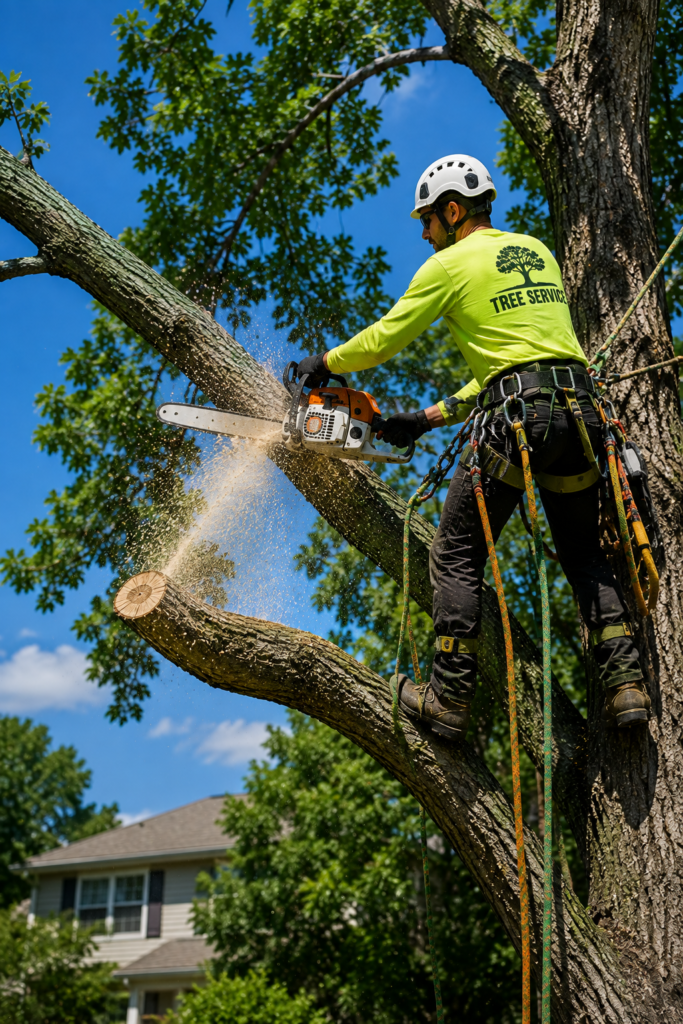
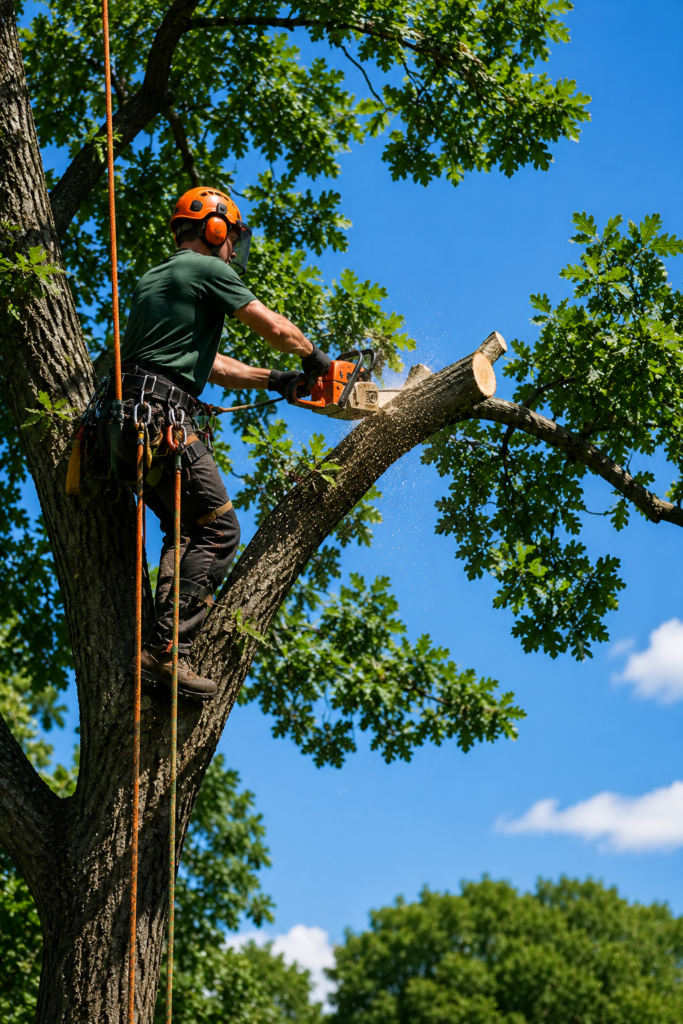
Strong winds can place heavy pressure on trunks and major branches. A tree may split where large limbs join the trunk, develop deep cracks, or lose a major section of its canopy during a storm.
Split and broken trees can be unpredictable because damaged sections may still be partly attached. Their weight can shift as branches are cut, especially when broken limbs are resting against a building, fence, another tree, or the ground.
Before removal begins, the damaged sections should be assessed to determine which parts are supporting weight and how the tree can be taken apart in a controlled order.
Large branches and sections of trunk may need to be cut into smaller pieces and carefully lowered. This helps provide greater control when working around homes, vehicles, landscaping, and other property.
Storm-damaged trees near houses, garages, fences, pools, sheds, and other structures require extra care because there may be very little room for branches or sections of trunk to move.
A tree leaning against a roof or wall may shift as its weight is reduced. Broken branches can also remain suspended above structures even when they appear to be supported by other parts of the tree.
Before cutting begins, the tree’s position, damaged sections, nearby property, and available working space should be considered. Large pieces may need to be removed in a planned sequence rather than allowed to fall freely.
Controlled removal helps reduce the chance of causing additional damage while the unstable parts of the storm-damaged tree are taken down.
Trees within the public right-of-way may be handled differently from trees entirely on private property. Property owners can check the City of San Diego tree maintenance guidelines for information about street trees and reporting tree-related concerns.
Storm damage can create serious tree problems at both residential and commercial properties. At a home, a damaged or fallen tree may affect a roof, driveway, fence, yard, garage, or neighboring property.
Commercial sites may have storm-damaged trees near parking lots, apartment communities, offices, retail spaces, walkways, and other areas used by employees, customers, tenants, and vehicles.
Tree size, condition, access, nearby structures, and the way the tree was damaged can all affect how removal should be planned. Large or unstable trees may need to be dismantled carefully in smaller sections.
For homes and businesses, storm damage tree removal in San Diego CA should focus on removing unstable tree material while reducing the risk of additional damage to the surrounding property.