- (619) 815 5317
- info@treeservicesandiegoca.net
- Mon - Sat: 9:00 - 19:00

Palm tree removal may be needed when a palm is dead, badly damaged, declining, unstable, or growing in a location where it can no longer be safely maintained. Palms can also become difficult to manage when they grow very tall or develop problems around the trunk, crown, or root area.
Before removal begins, the palm’s height, condition, location, and surrounding property should be considered. Nearby homes, roofs, driveways, pools, fences, utility lines, landscaping, and neighboring properties can affect how the work should be planned.
Some palms can be removed in sections when there is limited space below. This allows the crown and trunk to be taken down gradually rather than allowing large sections to fall freely around developed property.
Palm removal should be based on the condition of the individual tree and the reason for removal. A healthy palm should not automatically be removed simply because it is tall or requires regular maintenance.
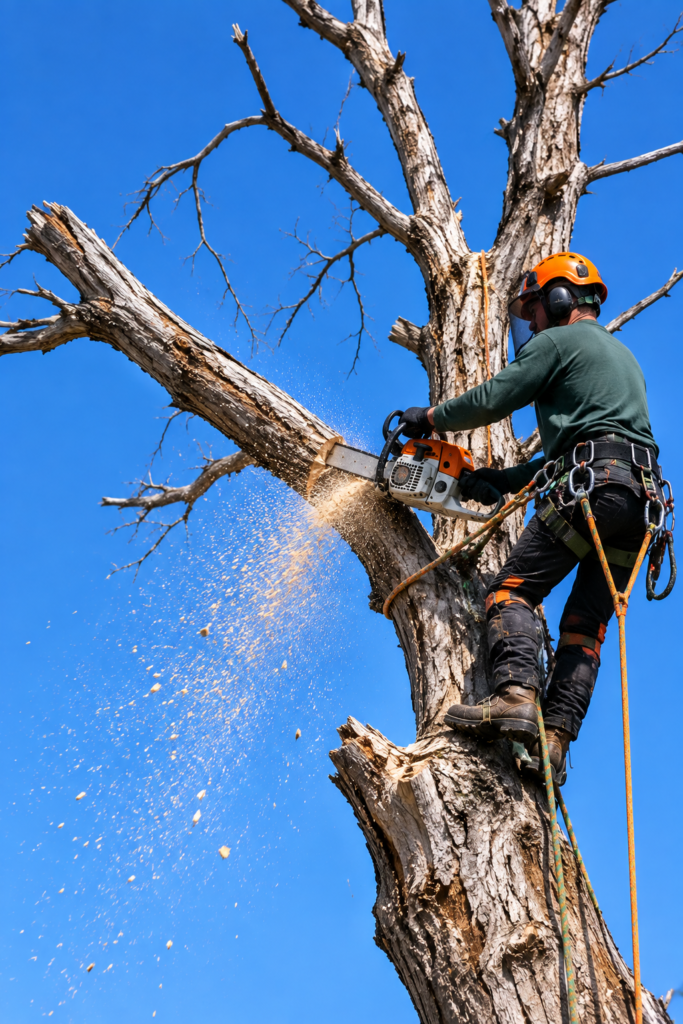
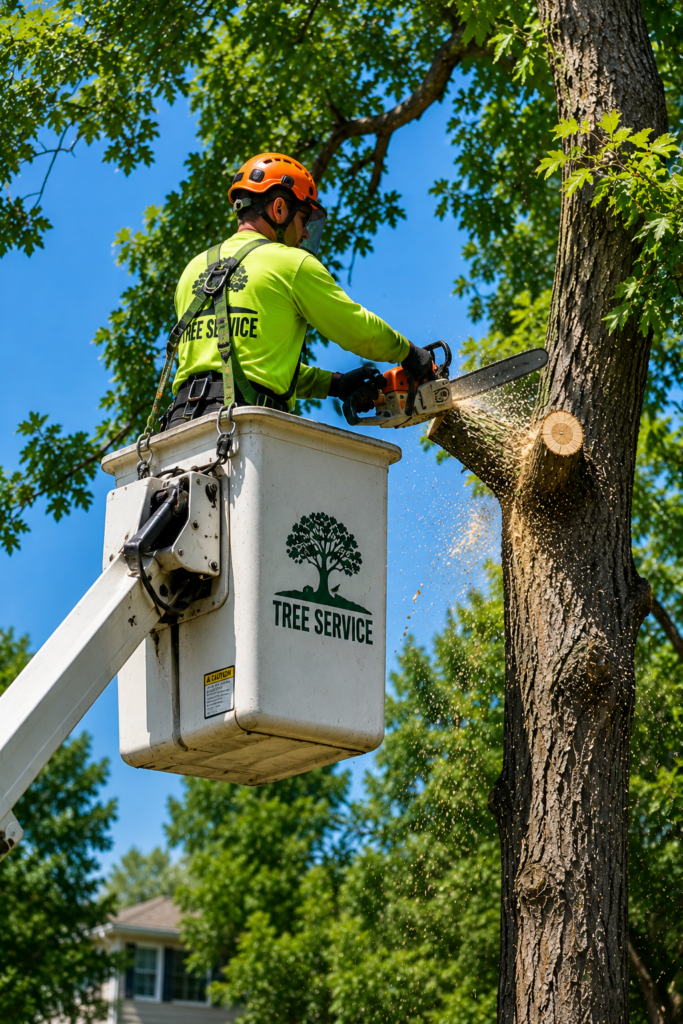
A palm tree may need removal when it is dead, severely declining, badly damaged, or has structural problems that make continued retention unsuitable. Major trunk damage, serious decay, storm damage, or significant instability may require closer assessment.
Removal may also be considered when a palm has become poorly located for the surrounding property. Large palms growing very close to buildings, walls, pools, driveways, utility areas, or other structures can become difficult to manage as they mature.
Storms and strong winds can damage palm crowns, trunks, and fronds. A palm that has developed a significant lean or visible structural damage after severe weather should be assessed before deciding whether removal is necessary.
Not every problem requires complete removal. Depending on the palm’s condition, our other tree services may provide suitable options such as palm trimming, dead frond removal, inspection, or other appropriate tree care.
Palm tree removal should begin with an assessment of the palm’s height, trunk condition, crown, lean, access, and the amount of working space around the tree. Nearby buildings, vehicles, landscaping, utility lines, and neighboring property should also be considered.
Where there is enough open space, removal options depend on the size and condition of the palm. In tighter areas, the fronds and crown may be removed first before the trunk is taken down in manageable sections.
Tall palms or palms growing close to structures can require additional planning and equipment. The removal method should help control where cut sections move and reduce unnecessary impact on the surrounding property.
The approach to palm tree removal in San Diego CA should be based on the individual palm, its condition, available access, nearby property, and the safest practical way to complete the work. Our guides cover deciding whether a struggling palm needs trimming or removal, what affects the difficulty of removing a tall palm, and what to expect with the stump and site afterward.
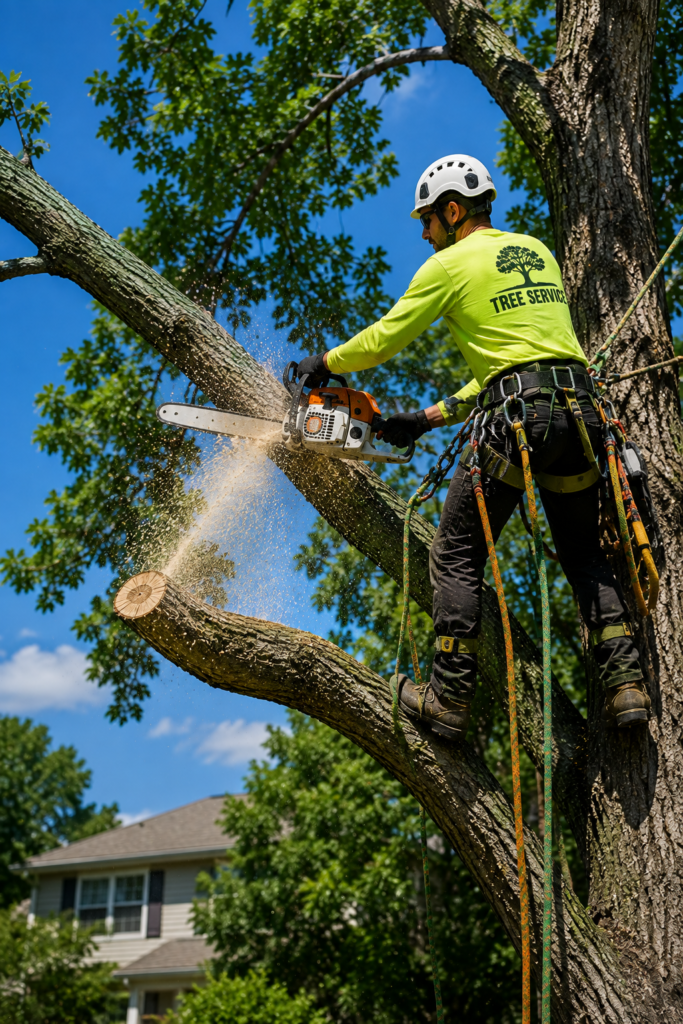
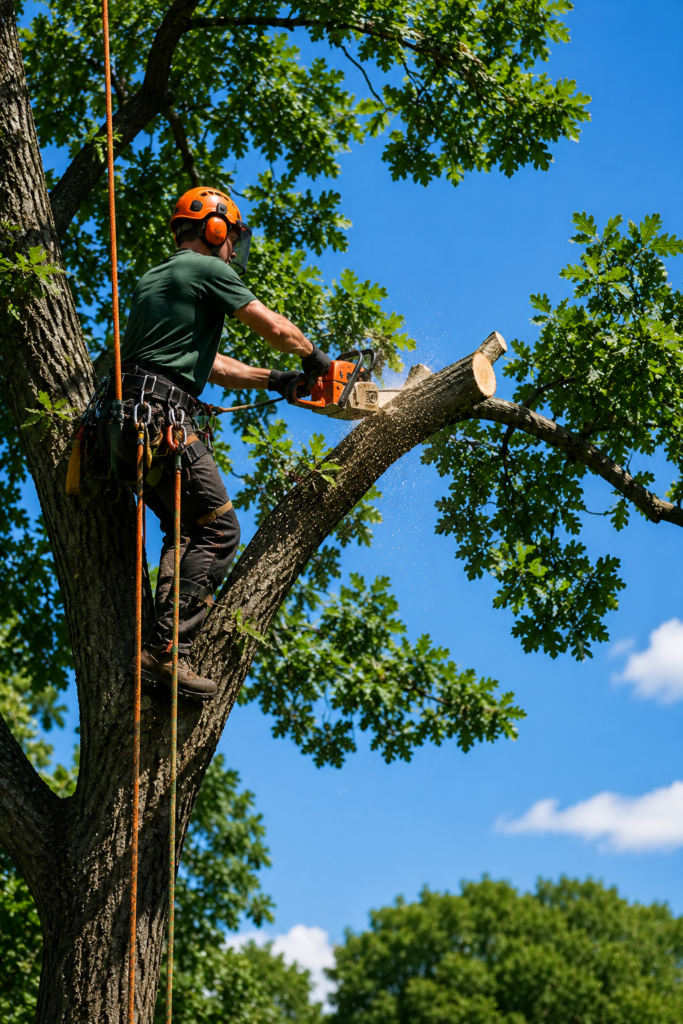
Palm trees growing near houses, garages, driveways, patios, pools, fences, walkways, and other developed areas can require careful planning when removal becomes necessary.
The height and position of the palm should be considered along with nearby roofs, vehicles, neighboring properties, landscaping, and frequently used areas. Limited working space can affect how the palm is dismantled and how cut sections are controlled.
Utility lines and underground services may also affect the work area. Access for workers and equipment should be considered before removal begins, especially when the palm is located in a backyard or other restricted space.
Removing a palm in sections can provide greater control where surrounding structures or landscaping limit the available space. The appropriate method depends on the palm’s size, condition, location, and site access.
Trees within the public right-of-way may be handled differently from trees entirely on private property. Property owners can check the City of San Diego tree maintenance guidelines for information about street tree maintenance and reporting tree-related concerns.
Careful planning is important before removing a palm tree. The palm’s height, trunk condition, lean, crown, and surrounding area should be checked to determine an appropriate removal method.
Access is an important part of the plan. Narrow gates, fences, buildings, pools, landscaping, parked vehicles, and neighboring properties can limit the space available for workers and equipment.
The area below and around the palm should also be considered when deciding how fronds, crown material, and sections of the trunk will be lowered or removed. Taller palms and restricted spaces may require the tree to be dismantled gradually.
After the palm is removed, the remaining stump can be evaluated separately. Stump grinding or stump removal may be considered depending on future plans for the area, access, and the condition of the site.
Palm tree removal may be needed on both residential and commercial properties when a palm is dead, badly damaged, declining, unstable, or no longer suitable for its location. At a home, palms may grow near roofs, driveways, patios, pools, fences, vehicles, gardens, or neighboring properties.
Commercial properties may have palms around apartment communities, hotels, offices, retail spaces, parking lots, entrances, walkways, and landscaped areas. Removing tall palms in these locations may require careful planning to manage access and surrounding property.
Palm height, trunk condition, lean, crown condition, available working space, nearby structures, utility lines, and equipment access should all be considered before removal begins.
For homes and businesses, palm tree removal in San Diego CA should be planned around the individual palm, its condition, its surroundings, and the most appropriate removal method for the site.