- (619) 815 5317
- info@treeservicesandiegoca.net
- Mon - Sat: 9:00 - 19:00

Palm tree trimming removes dead, damaged, loose, or unwanted fronds to help keep palms neat and properly maintained. Over time, old fronds can turn brown, hang downward, or become damaged by wind and weather.
Before trimming begins, the palm’s species, height, condition, and surrounding property should be considered. The goal is to remove appropriate fronds without unnecessarily cutting healthy green growth that the palm needs.
Dead or damaged fronds may hang over roofs, driveways, walkways, patios, pools, parking areas, or landscaping. Loose fronds and other palm debris can also fall as they dry and deteriorate.
Careful palm trimming can improve appearance, remove damaged growth, and help manage unwanted fronds while preserving a healthy crown and the palm’s natural form.
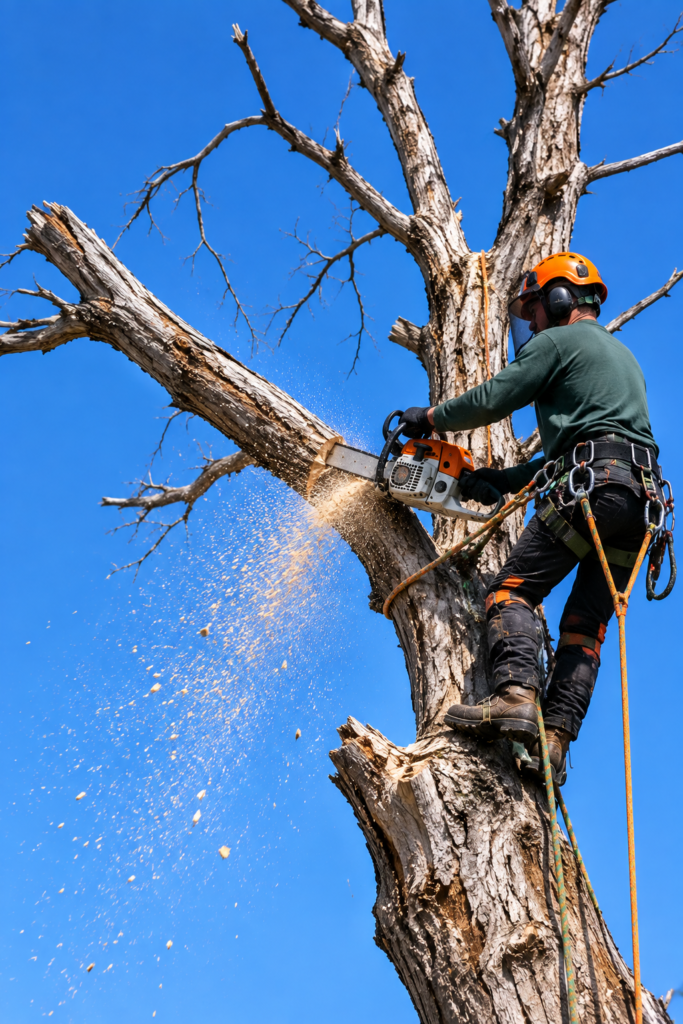
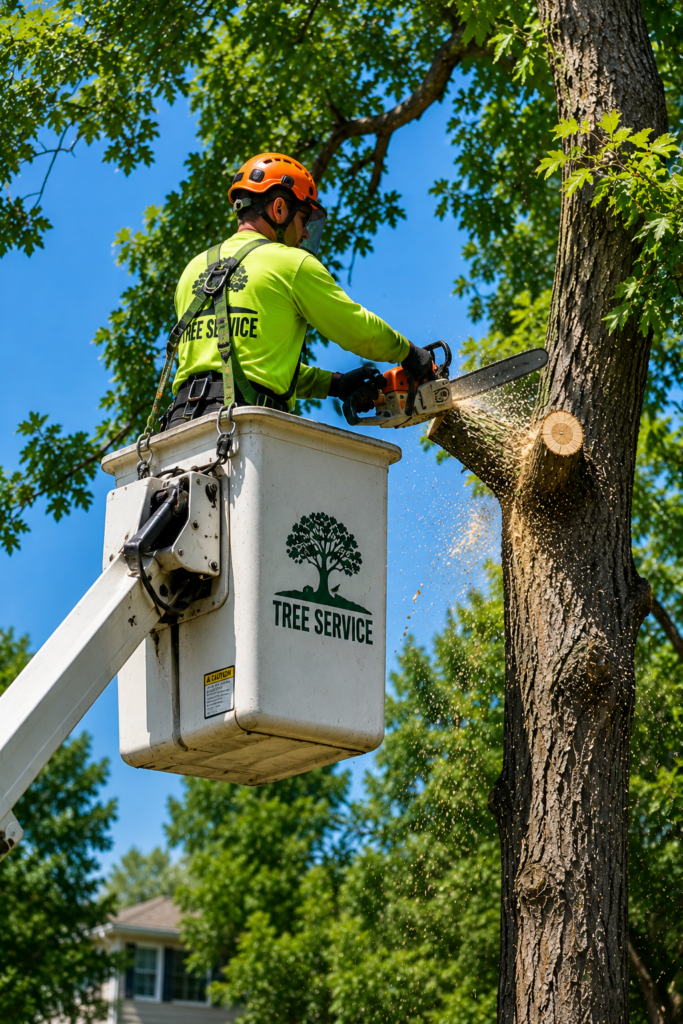
A palm tree may need trimming when older fronds become brown, dry, broken, or damaged. Dead fronds can remain attached for some time before eventually becoming loose or falling from the palm.
Trimming may also be useful when damaged or hanging fronds extend over roofs, driveways, sidewalks, patios, pools, parking areas, or other frequently used spaces. Tall palms may require extra care because falling fronds can be large and heavy.
Healthy green fronds should not be removed simply to make a palm look heavily trimmed. Excessive pruning can remove useful foliage and may affect the palm’s health and natural appearance.
If a palm has damaged growth, dead fronds, or other maintenance concerns, our other tree services can help determine the appropriate type of care for the tree and surrounding property.
Palm tree trimming should begin by checking the condition of the crown and identifying dead, broken, damaged, or hanging fronds. The palm’s height, species, surrounding property, and access should also be considered before work begins.
Appropriate fronds are carefully removed while healthy green fronds are generally preserved. Cuts should be made carefully to avoid unnecessary damage to the trunk and healthy parts of the crown.
Loose fronds and other dead palm material may also need attention where they could fall onto roofs, vehicles, walkways, patios, pools, or landscaping. Tall palms can require additional planning because of their height and the size of falling material.
The approach to palm tree trimming in San Diego CA should focus on removing appropriate unwanted growth while maintaining a healthy crown and the palm’s natural appearance. To learn more, read which palm fronds should actually be removed, how yellow and brown fronds differ, and what affects the scope of a palm trimming visit.
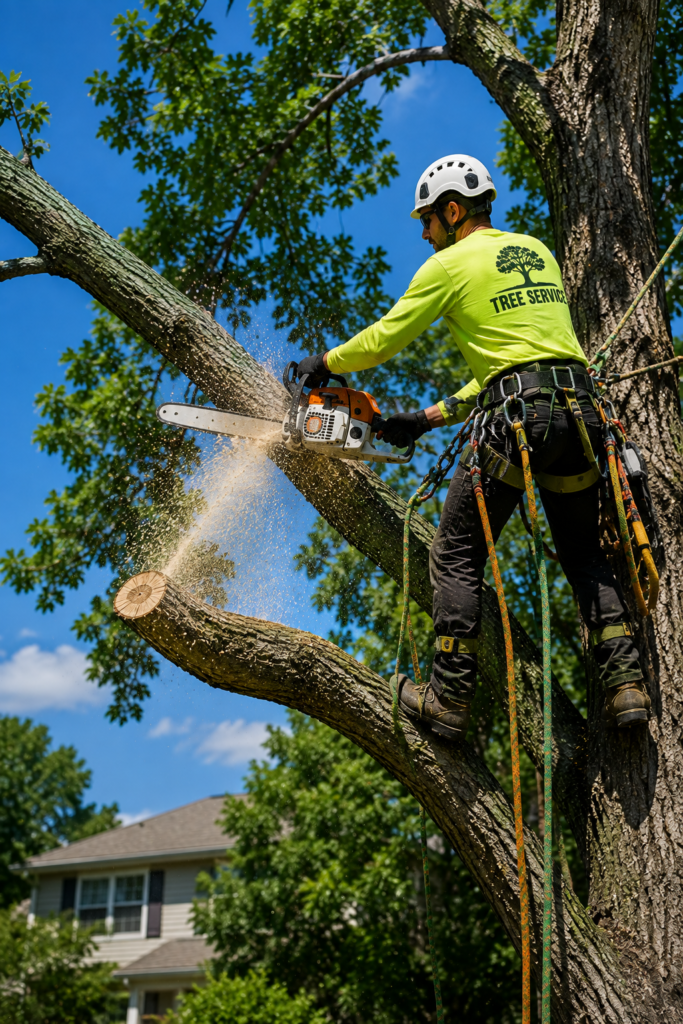
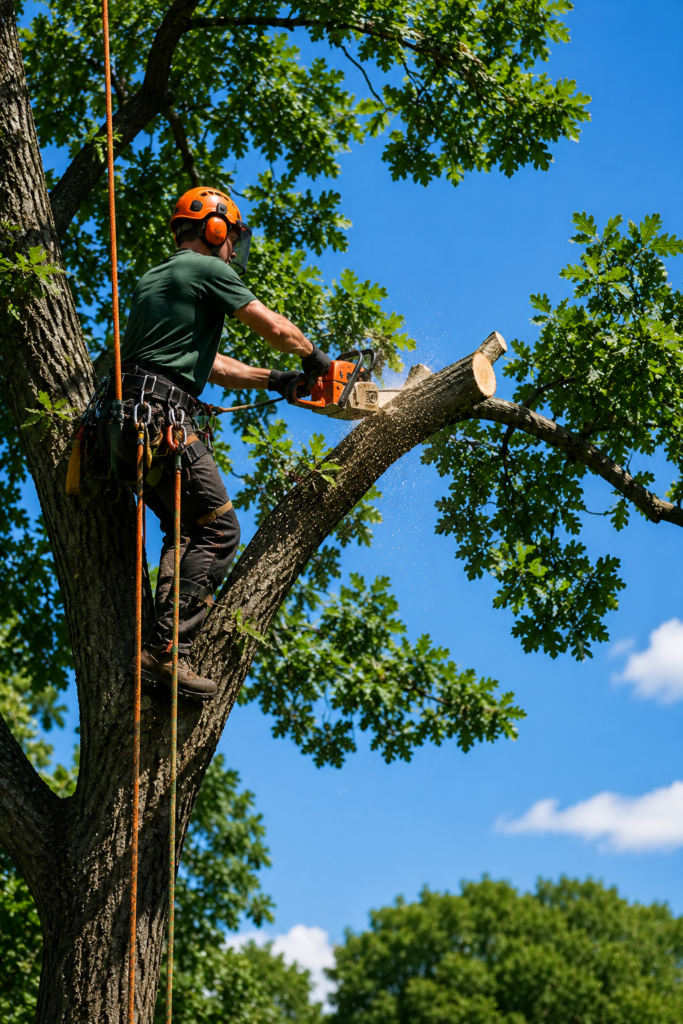
Palm trees growing near houses, garages, driveways, sidewalks, patios, pools, fences, and parking areas may need closer attention when dead or damaged fronds begin to hang over the surrounding property.
Large dry fronds can become loose over time, especially during windy conditions. Their position should be considered when they are above roofs, vehicles, entrances, walkways, outdoor seating areas, or other places regularly used by people.
Access around the palm is also important. Nearby buildings, utility lines, landscaping, neighboring properties, and limited working space can affect how trimming should be planned and performed.
Careful trimming should address appropriate dead or damaged growth while avoiding unnecessary removal of healthy green fronds. The palm’s condition and the surrounding property should both be considered before work begins.
Trees within the public right-of-way may be handled differently from trees entirely on private property. Property owners can check the City of San Diego tree maintenance guidelines for information about street tree maintenance and reporting tree-related concerns.
Palm tree trimming helps remove dead, broken, damaged, and hanging fronds that are no longer contributing to healthy growth. Removing appropriate unwanted material can also give the palm a cleaner and more natural appearance.
Trimming can be particularly useful when dry or damaged fronds are positioned above driveways, walkways, patios, pools, roofs, vehicles, landscaping, or other areas around a property.
Regular attention can also make it easier to notice changes in the palm’s crown, trunk, or overall condition. Any unusual damage, decay, or decline discovered during trimming may need closer assessment. If assessment reveals severe decline or structural instability, palm tree removal may be more appropriate than trimming.
Good palm maintenance does not mean removing as many fronds as possible. Preserving healthy green growth while selectively removing appropriate dead or damaged material helps maintain the palm’s natural form and condition.
Palm tree trimming can help maintain palms on both residential and commercial properties. At a home, palms may grow near roofs, driveways, patios, pools, gardens, fences, vehicles, or neighboring properties.
Commercial properties may have palms around apartment communities, hotels, offices, retail spaces, parking lots, entrances, walkways, and landscaped areas where dead or hanging fronds can become a maintenance concern.
Palm species, height, condition, crown structure, access, nearby buildings, utility lines, and surrounding property should all be considered before trimming begins. Taller palms may require additional planning because of their height and the size of the fronds being removed.
For homes and businesses, palm tree trimming in San Diego CA should focus on removing appropriate dead or damaged growth while preserving healthy green fronds and the palm’s natural form.