- (619) 815 5317
- info@treeservicesandiegoca.net
- Mon - Sat: 9:00 - 19:00

Tree shaping is selective pruning used to improve a tree’s form, balance, and overall branch structure. It can help manage uneven growth, crowded branches, or sections of the canopy that have developed differently from the rest of the tree.
Before shaping begins, the tree’s natural growth pattern, species, age, condition, and existing structure should be considered. The goal is to work with the tree’s natural form rather than forcing it into an unsuitable shape.
Selected branches may be shortened or removed to improve balance and create a more consistent canopy. Dead, damaged, crossing, rubbing, or poorly positioned branches may also be addressed where appropriate.
Tree shaping should preserve enough healthy foliage to support continued growth. Careful pruning can improve appearance and structure without unnecessarily removing large portions of the canopy.
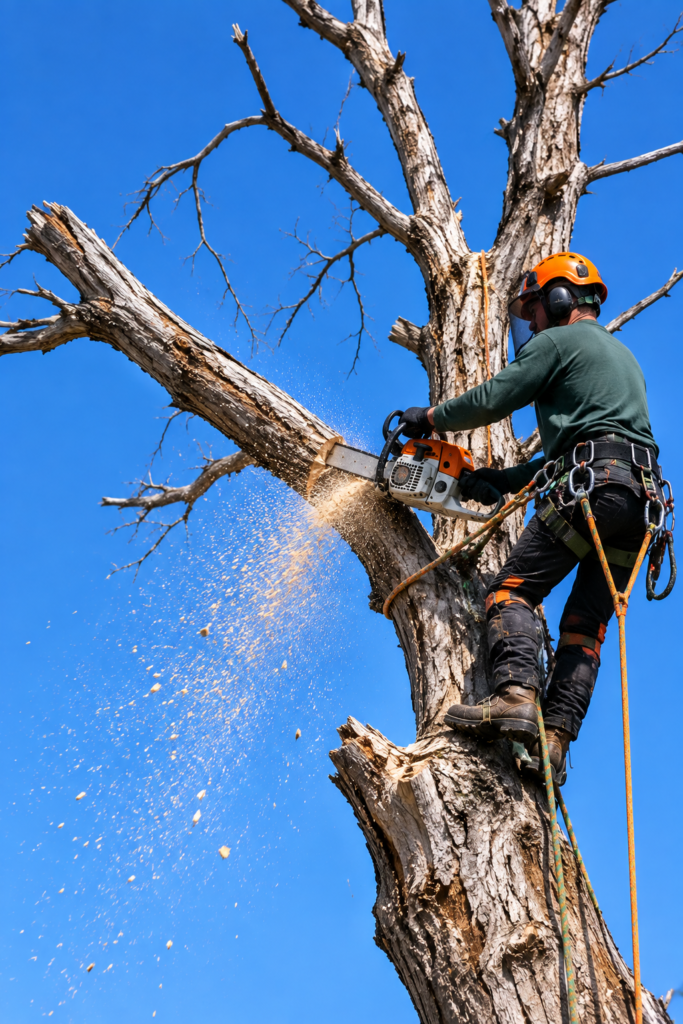
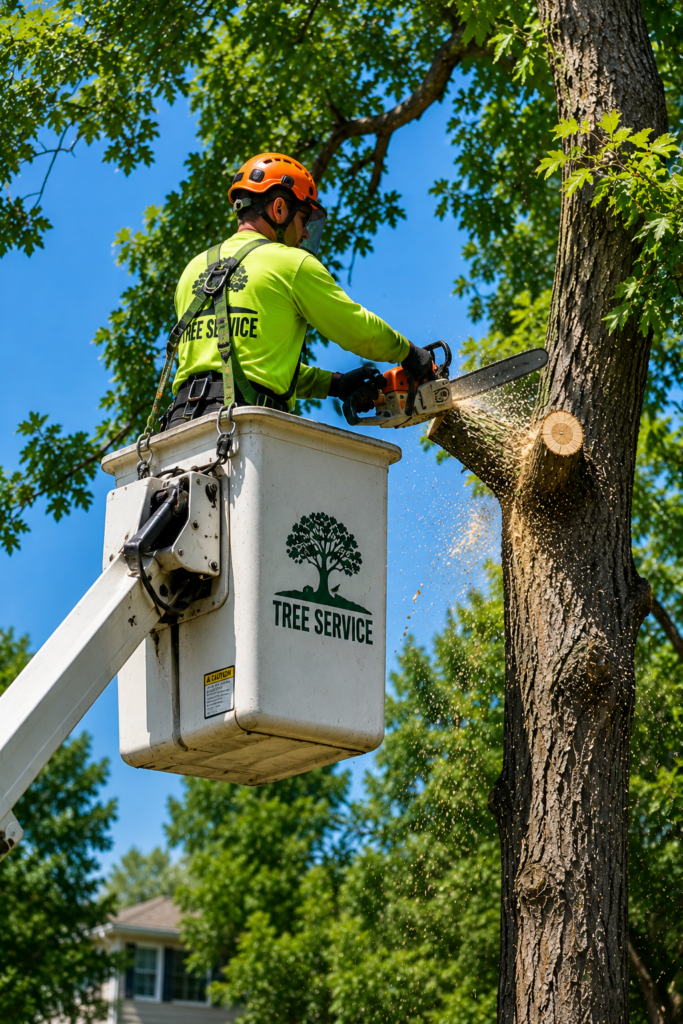
A tree may benefit from shaping when its canopy develops uneven growth or branches begin growing in directions that affect its natural form. One side of the tree may become denser, longer, or heavier than another as the tree matures.
Crossing, rubbing, crowded, or poorly positioned branches can also affect the appearance and structure of a tree. Selective pruning can address these branches while keeping healthy growth distributed throughout the canopy.
Tree shaping may also be useful when branches grow toward buildings, driveways, walkways, fences, or other areas where better canopy management is needed. The amount of pruning should depend on the individual tree and its surroundings.
Not every tree needs extensive shaping. Our other tree services can help with tree pruning, trimming, crown thinning, crown raising, crown reduction, deadwood removal, and other appropriate care depending on the tree’s condition and the desired result.
Tree shaping begins with an assessment of the tree’s natural form, branch structure, condition, and surrounding space. The aim is to identify selected branches that can be pruned while keeping the canopy balanced and healthy.
Dead, damaged, crossing, rubbing, crowded, or poorly positioned branches may be addressed first. Other branches can then be selectively shortened where needed to improve the overall shape and distribution of growth.
Pruning cuts should be planned carefully so that healthy branches remain throughout the canopy. Removing too much foliage or making unnecessary large cuts can affect the tree’s appearance and future growth.
The approach to tree shaping in San Diego CA should be based on the individual tree rather than trying to create the same shape for every species. A well-shaped tree should still retain its natural character and growth pattern.
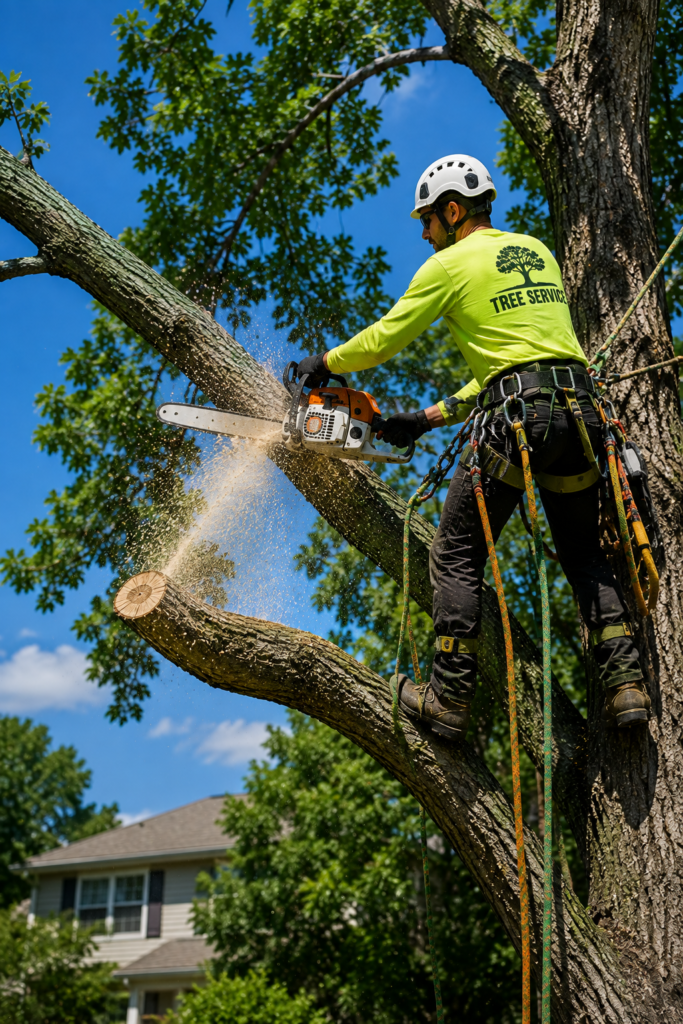
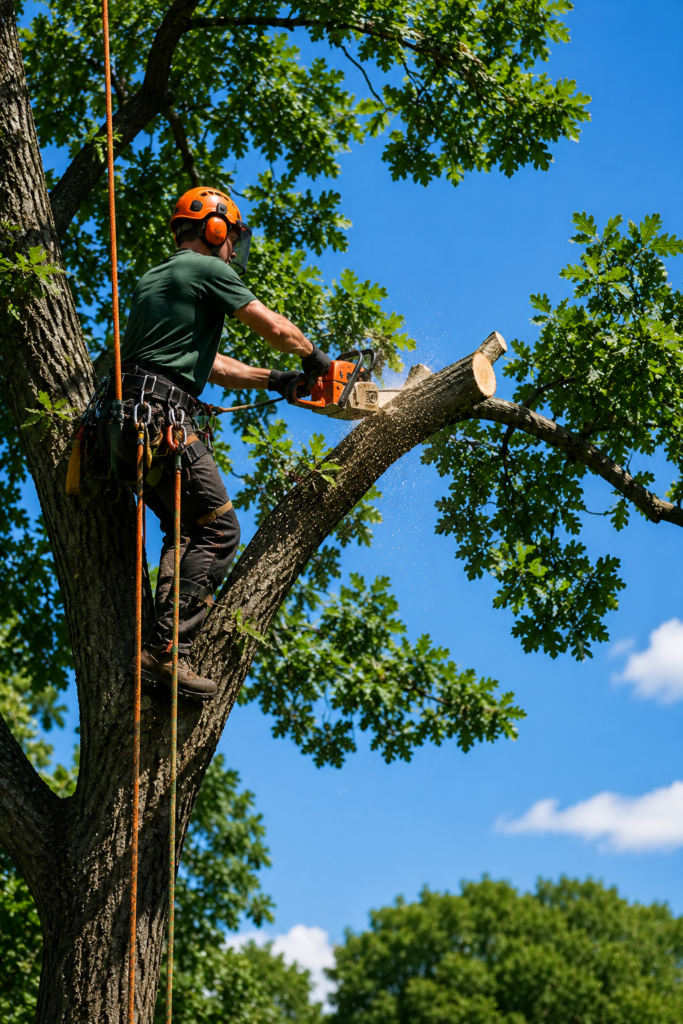
Trees growing near houses, garages, driveways, patios, pools, fences, and other developed areas may need selective shaping as their branches expand. Uneven or poorly positioned growth can extend toward structures or make parts of the canopy difficult to manage.
Before pruning begins, the position of branches and their relationship to nearby property should be assessed. The tree’s natural form, size, condition, and available growing space should also guide which branches are selected.
Tree shaping can shorten or remove selected growth while maintaining a balanced canopy. The goal should be to improve form and clearance without cutting back more healthy foliage than necessary.
Nearby utility lines, landscaping, access routes, neighboring properties, and other obstacles should also be considered when shaping trees in developed areas.
Trees within the public right-of-way may have different maintenance requirements from trees entirely on private property. Property owners can check the City of San Diego tree maintenance guidelines for information about street tree maintenance and reporting tree-related concerns.
Tree shaping can improve the appearance of a tree by creating a more balanced and natural-looking canopy. Selective pruning can address uneven growth while allowing healthy branches to remain throughout the tree.
Shaping can also improve branch structure by removing selected crossing, rubbing, crowded, damaged, or poorly positioned growth. This can make the canopy easier to inspect and maintain as the tree continues to mature.
Carefully managing selected branches may also improve clearance around buildings, driveways, walkways, patios, fences, and other areas of a property without unnecessarily reducing the entire canopy.
The benefits depend on working with the tree’s natural growth pattern. Good tree shaping should improve form and structure while preserving healthy foliage and avoiding excessive pruning.
Tree shaping can help manage trees on both residential and commercial properties. At a home, trees may develop uneven or poorly positioned branches around roofs, driveways, patios, pools, fences, gardens, vehicles, or neighboring properties.
Commercial properties may have trees around apartment communities, offices, retail spaces, parking lots, walkways, entrances, and landscaped areas where appearance, structure, and suitable clearance are important.
Tree species, maturity, condition, branch structure, available space, and surrounding property should all be considered before shaping begins. The pruning approach should suit the individual tree rather than trying to create the same canopy shape for every tree.
For homes and businesses, tree shaping in San Diego CA should focus on improving form and branch structure while retaining healthy growth, a balanced canopy, and the tree’s natural appearance.