- (619) 815 5317
- info@treeservicesandiegoca.net
- Mon - Sat: 9:00 - 19:00

Stump removal in San Diego CA involves taking out the remaining tree stump along with more of its root structure. It is a more complete option than simply reducing the visible stump below ground level.
Before removal begins, the stump and surrounding area should be inspected. Its size, root spread, location, access, nearby structures, landscaping, irrigation, and other obstacles can affect how the work is carried out.
Because stump removal can involve digging around the root system, underground utilities should also be considered before excavation. Property owners can learn more through DigAlert’s 811 safe digging information.
Removing a stump may require digging around the root system, cutting larger roots, and extracting the remaining wood from the ground. Larger or older stumps can require additional equipment and working space.
Complete removal can be useful when the area needs to be cleared for construction, new landscaping, paving, planting, or another project where the remaining stump and major roots would be an obstacle.
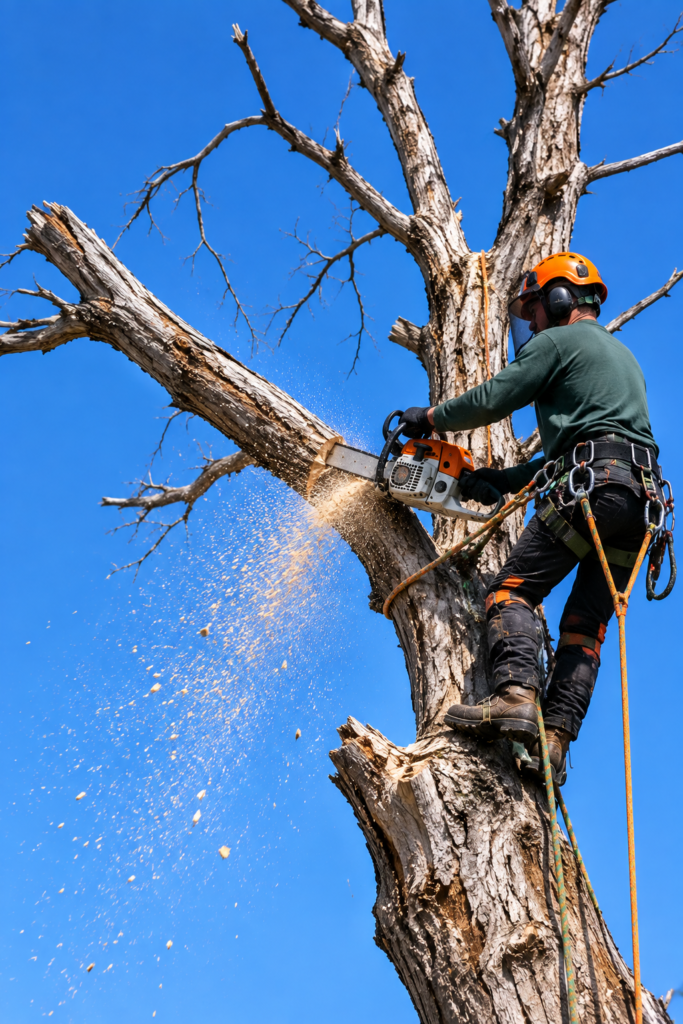
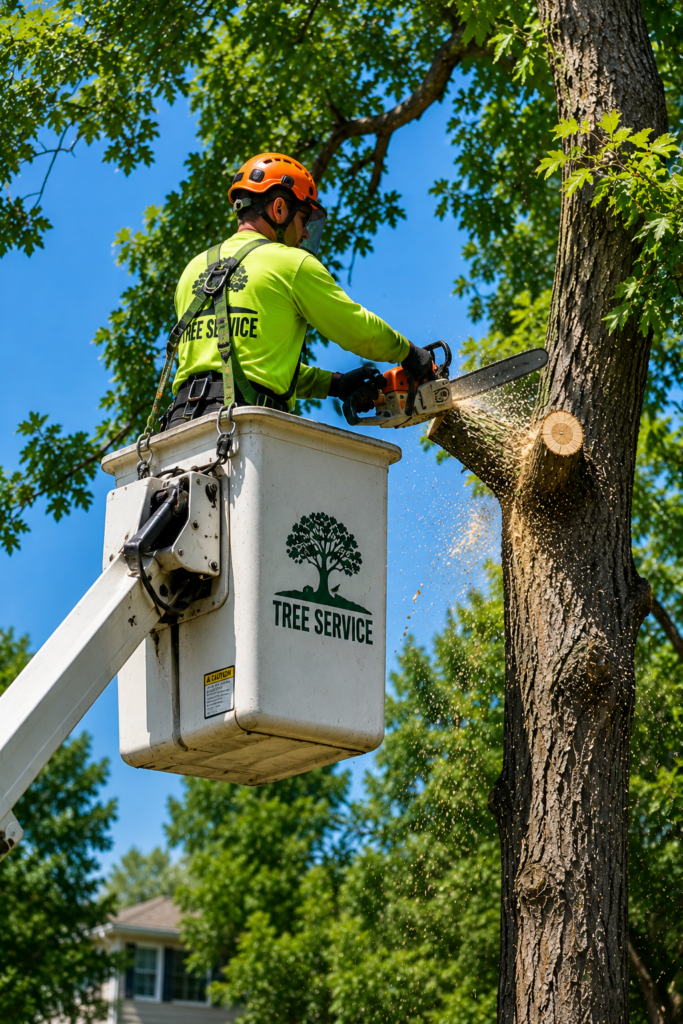
A tree stump may need complete removal when leaving the stump and major roots in the ground would interfere with future plans for the property.
Removal can be useful when a stump is located where new construction, paving, landscaping, planting, fencing, or other improvements are planned. Large surface roots may also create obstacles around lawns, walkways, and landscaped areas.
Older stumps can gradually decay and may develop fungal growth or attract insects. Some stumps may also produce new shoots from the remaining stump or root system.
The right solution depends on the stump and how the area will be used afterward. Our other tree services can help when you need tree removal, stump grinding, trimming, pruning, or other tree care.
Large stumps can be more difficult to remove because of their size, weight, and extensive root systems. Mature trees may leave behind thick roots that extend well beyond the visible stump.
Access can also affect the removal process. A stump may be located beside a house, fence, driveway, retaining wall, pool, landscaped area, or in a backyard with a narrow entrance.
Before work begins, the stump and surrounding area should be assessed for obstacles and available working space. Larger roots may need to be exposed and cut before the stump can be removed from the ground.
Professional equipment and careful planning can make difficult stump removal more manageable. The right approach to stump removal in San Diego CA depends on the stump’s size, root system, location, accessibility, and what will be done with the area afterward. To compare options, read whether your project needs stump grinding or stump removal, what makes one stump harder to remove than another, and what the site looks like after stump removal.
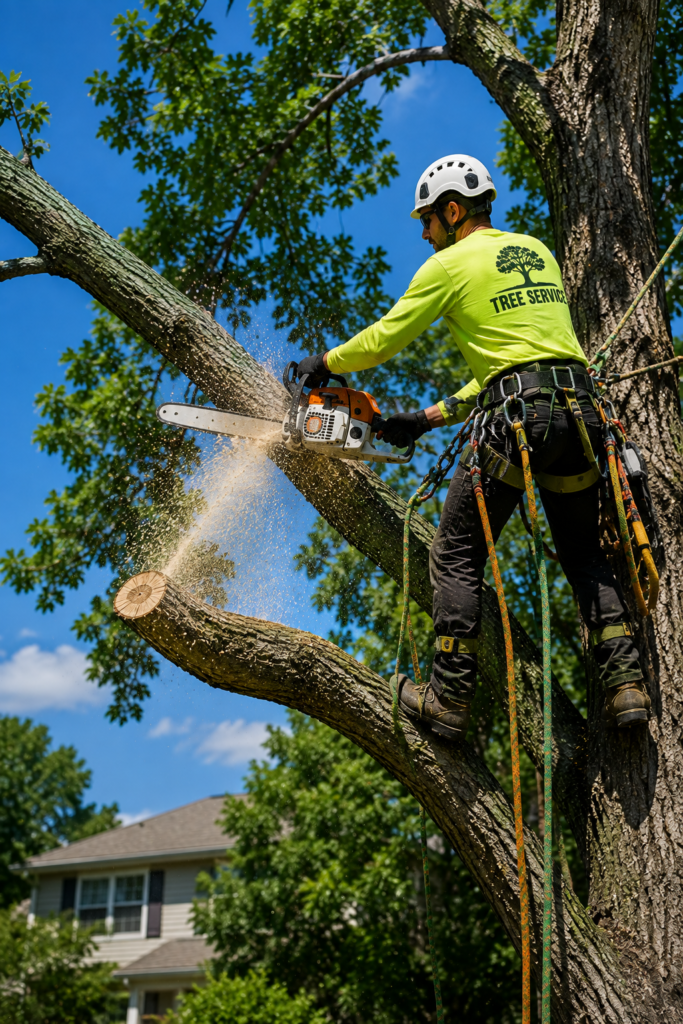
Stump removal and stump grinding both deal with unwanted tree stumps, but they use different approaches and leave different results.
Stump removal involves extracting the stump along with more of the major root structure. This generally requires more digging and can disturb a larger area of soil around the stump.
Stump grinding uses specialized equipment to reduce the visible stump to wood chips, usually below or near ground level. Much of the underground root system remains in place and gradually breaks down over time.
Grinding may be suitable when the main goal is to eliminate the visible stump with less disturbance to the surrounding ground. Complete removal may be preferable when major roots could interfere with construction, paving, landscaping, or other planned work.
The better option depends on the stump’s size, location, root system, accessibility, and how the area will be used afterward.
Residential properties may have unwanted stumps in front yards, backyards, lawns, driveways, or landscaped areas. Complete removal can help clear the space when the stump and major roots would interfere with future plans for the property.
Commercial properties may have stumps around parking areas, apartment communities, offices, retail properties, walkways, and other managed landscapes. Removing the stump can make these areas easier to prepare for new landscaping, paving, construction, or other improvements.
Access and working space are important considerations on both residential and commercial properties. Gates, fences, buildings, slopes, landscaping, and nearby structures can affect the equipment and removal method used.
Whether the stump is on a residential or commercial property, stump removal in San Diego CA should be planned around its size, root system, location, accessibility, and the intended use of the area afterward.
Removing a stump leaves an open area where the stump and major roots were taken out. The size of this area depends on the stump, the extent of the roots removed, and the equipment required for the job.
After removal, loose wood, roots, and other debris can be cleared from the work area. The remaining hole can then be filled and leveled depending on how the property owner plans to use the space.
The cleared area may be prepared for grass, new landscaping, paving, construction, or another project. Additional soil may be needed because removing the stump and roots can leave a substantial space below ground level.
Stump removal in San Diego CA can be particularly useful when the goal is to clear the area more completely rather than leaving the main stump and larger roots in the ground.