- (619) 815 5317
- info@treeservicesandiegoca.net
- Mon - Sat: 9:00 - 19:00

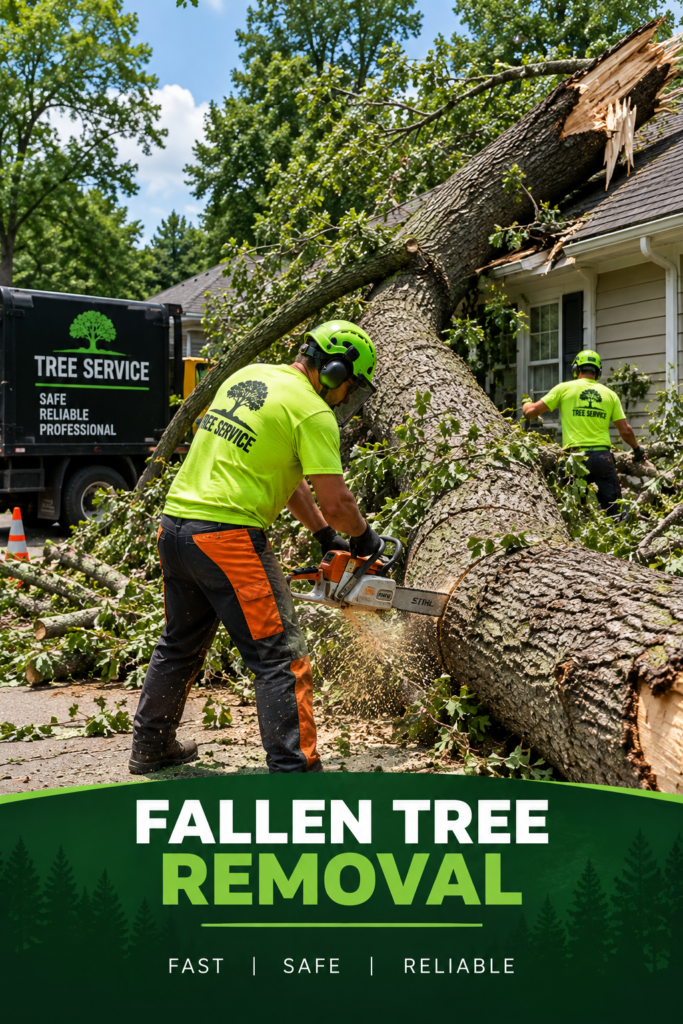
A fallen tree can block access, damage property, and leave heavy branches or sections of trunk in unsafe positions. Trees may fall because of strong winds, damaged roots, decay, disease, soil problems, or structural weakness.
Before removal begins, the fallen tree and surrounding area should be inspected. The position of the trunk, broken branches, exposed roots, nearby structures, and available working space can all affect how the tree should be removed.
A large fallen tree may need to be cut into smaller sections before it can be moved. Extra care may be needed when the tree is resting on a roof, fence, driveway, vehicle, landscaping, or another tree.
Careful planning and suitable equipment help control heavy tree material while reducing unnecessary damage to the surrounding property during removal.
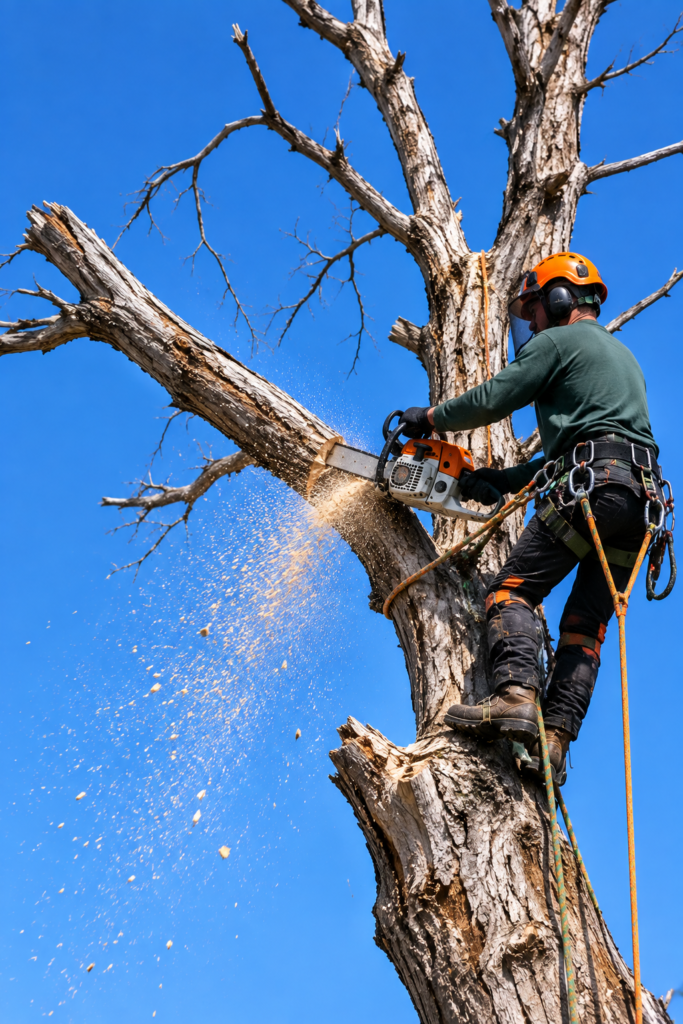
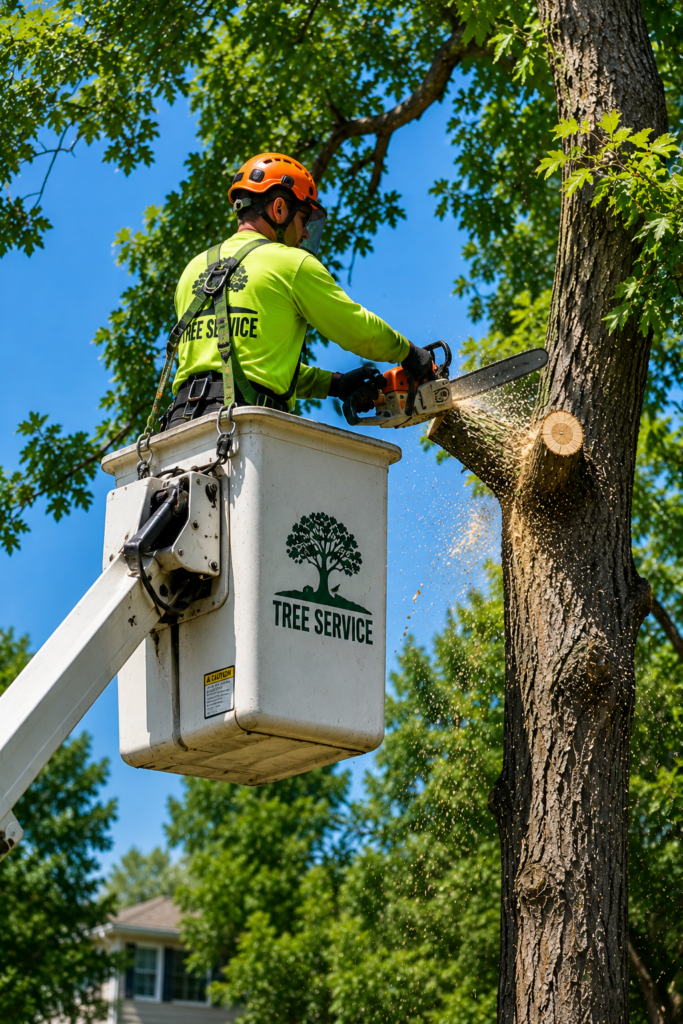
Trees can fall for several reasons. Strong winds and storms can place heavy pressure on trunks and branches, especially when the ground is wet and the root system has less support.
Root damage, decay, disease, and structural weakness can also reduce a tree’s stability. In some cases, a tree may look healthy from the outside while damaged roots or internal decay make it more likely to fail.
Trees that grow with a severe lean, weak branch connections, cracks in the trunk, or damaged roots may have a greater risk of falling. Changes around the tree, including construction or soil disturbance, can also affect its stability.
Regular inspection and appropriate tree care can help identify some problems before a tree falls. Our other tree services can help with tree trimming, pruning, hazardous tree removal, and other work based on the condition of the tree.
Large fallen trees can be difficult to remove because trunks and major branches are extremely heavy. Their weight may be spread across the ground, buildings, fences, landscaping, or other parts of the property.
Before cutting begins, the position of the trunk and branches should be assessed. Fallen sections may be under pressure, and cutting them in the wrong place can cause the tree to roll, shift, or move unexpectedly.
Large trunks and branches may need to be divided into smaller sections so they can be handled safely. The available working space and access for equipment can also affect the removal process.
The right approach to fallen tree removal in San Diego CA depends on the tree’s size, where it has landed, surrounding obstacles, and whether any parts of the tree remain unstable.
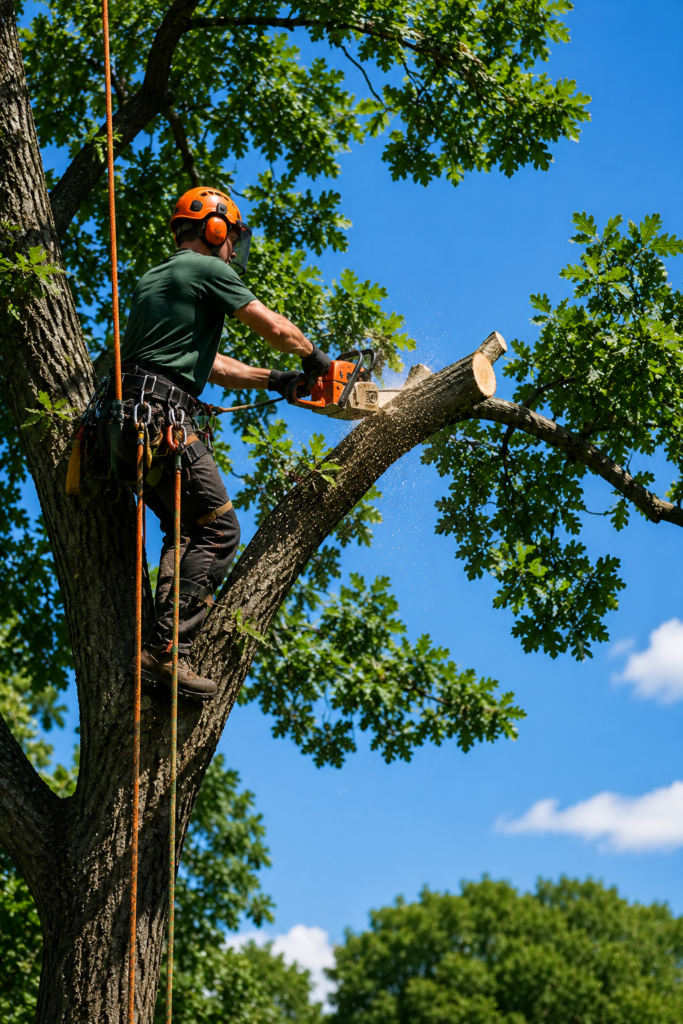
A tree that falls onto a house, garage, fence, vehicle, shed, or other structure requires careful removal. The trunk and branches may be supporting each other, and their weight can shift when cutting begins.
Before removing any section, the position of the tree and the condition of the affected structure should be considered. Cutting a large branch or trunk section without controlling its movement could cause additional property damage.
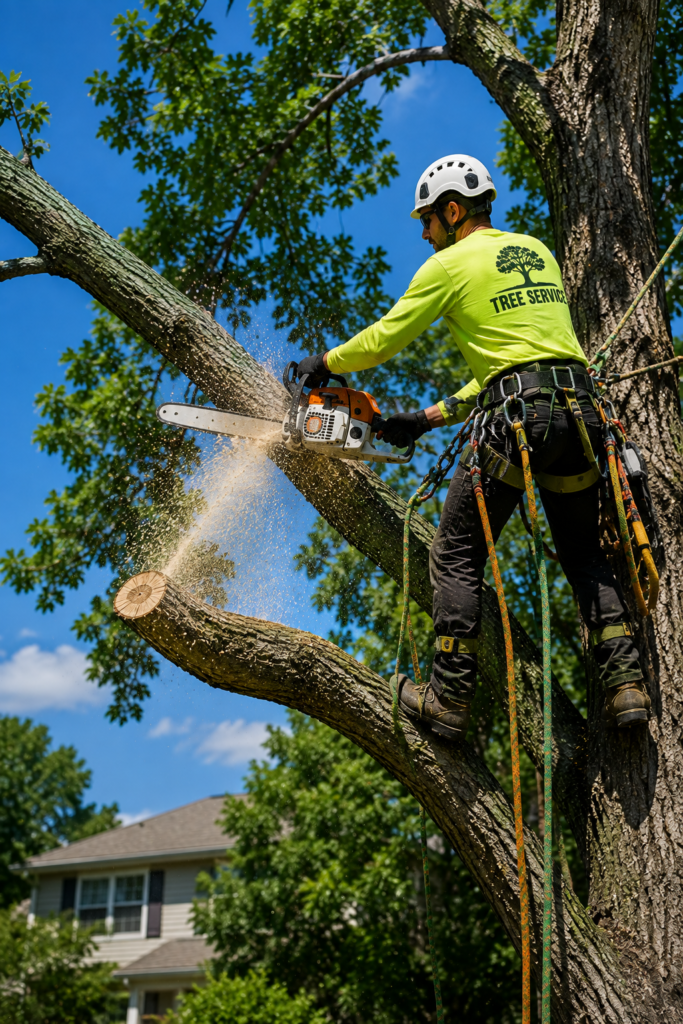
Large pieces may need to be removed in a planned sequence and carefully lowered instead of being allowed to fall freely. Limited access around homes and neighboring properties can also affect how the work is carried out.
If a fallen tree is touching or close to electrical lines, stay away from the area and do not attempt to cut or move the tree. Contact the appropriate utility provider or emergency service when electrical equipment is involved.
Trees within the public right-of-way may be handled differently from trees entirely on private property. Property owners can check the City of San Diego tree maintenance guidelines for information about street trees and reporting tree-related concerns.
Removing a fallen tree often leaves branches, logs, leaves, and other tree debris across the property. The amount of cleanup depends on the size of the tree, how it fell, and whether surrounding trees or landscaping were also damaged.
Large branches and trunk sections can be cut into smaller pieces so they are easier to handle and remove. Smaller branches and loose debris can then be gathered from the work area.
The stump and remaining root system may also need attention after the fallen tree is removed. Depending on how the tree failed and how the area will be used, stump grinding or stump removal may be considered separately.
A thorough cleanup helps restore access to driveways, yards, walkways, parking areas, and other parts of the property after the fallen tree has been removed.
Fallen trees can create problems at both residential and commercial properties. At a home, a fallen tree may block a driveway, damage a roof or fence, cover part of a yard, or affect a neighboring property.
Commercial properties may have fallen trees across parking lots, apartment communities, offices, retail spaces, walkways, entrances, and other areas used by employees, customers, tenants, and vehicles.
Tree size, location, access, nearby structures, and the position of the trunk and branches can all affect how removal should be planned. Large trees may need to be cut into smaller sections before they can be safely moved.
For homes and businesses, fallen tree removal in San Diego CA should focus on removing the tree safely while restoring access and reducing the risk of additional damage to the surrounding property.