- (619) 815 5317
- info@treeservicesandiegoca.net
- Mon - Sat: 9:00 - 19:00

Deadwood develops when branches or parts of a tree die while the rest of the tree remains alive. Dead branches may stay attached for months or years, gradually becoming dry, brittle, and more likely to break.
Removing deadwood can help reduce the amount of weak material within a tree’s canopy. It can also improve clearance around roofs, driveways, walkways, vehicles, gardens, and other areas beneath or close to the tree.
Before removal begins, dead branches should be assessed for their size, position, condition, and connection to the tree. Large pieces of deadwood may require controlled cutting, especially when they extend over buildings or frequently used areas.
Deadwood removal should focus on removing dead material while preserving healthy branches and the natural structure of the living tree.
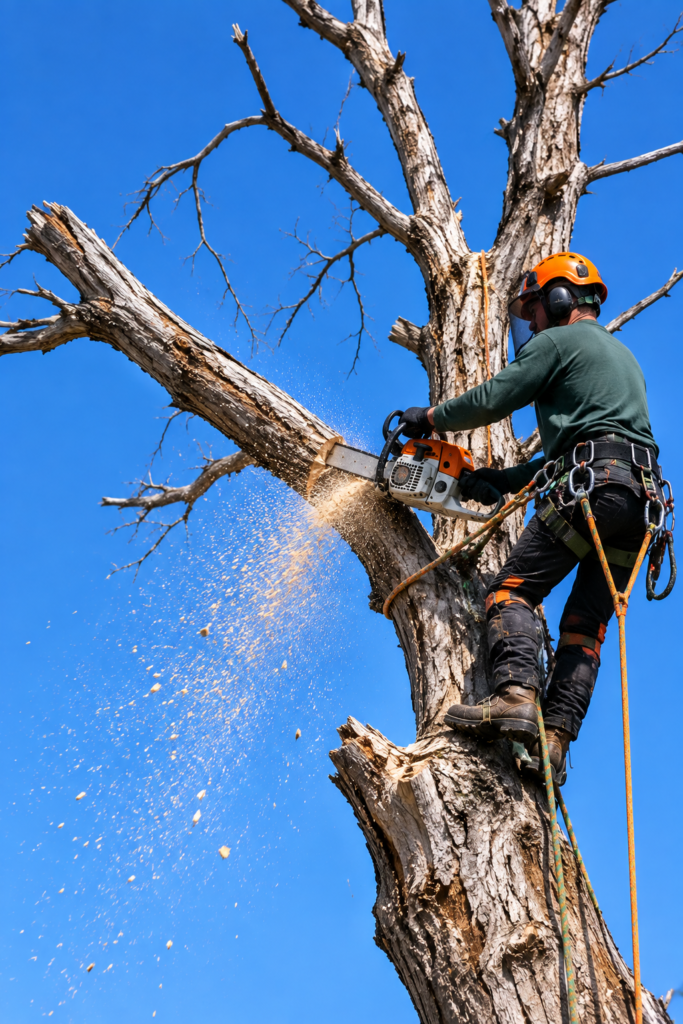
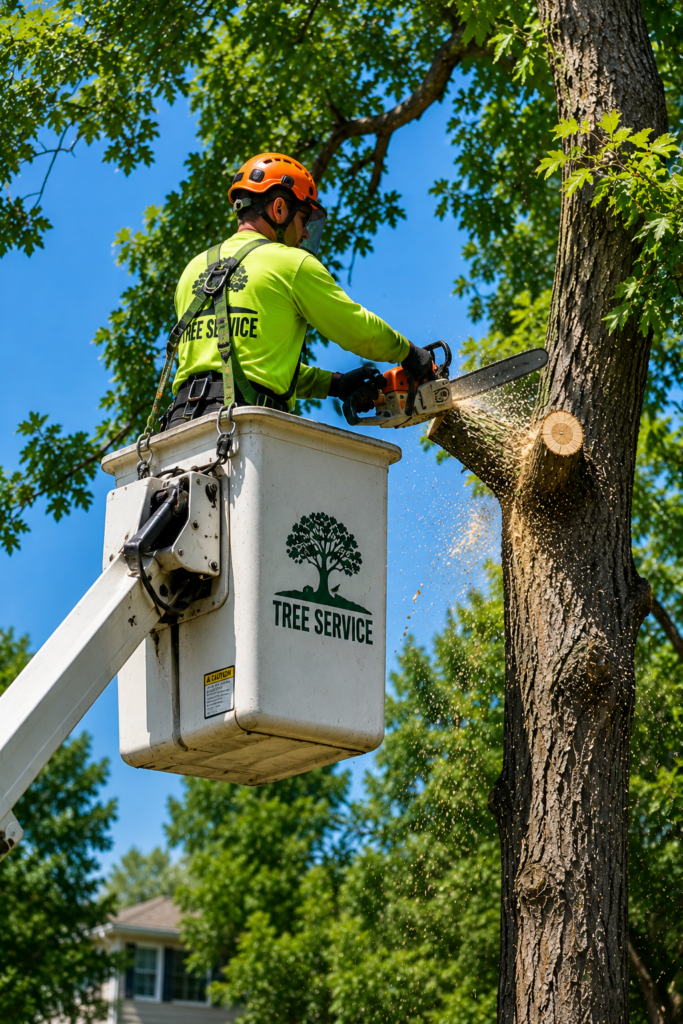
Deadwood can develop naturally as trees grow and older branches receive less light or become less important to the canopy. Small amounts of dead wood can be a normal part of a mature tree.
Branches may also die because of drought stress, disease, decay, storm damage, broken limbs, root problems, or physical damage. Competition between branches within a dense canopy can also cause weaker growth to die back.
The amount and location of deadwood can help indicate whether a tree needs closer attention. A sudden increase in dead branches or large areas of canopy decline may suggest an underlying problem that should be assessed.
Our other tree services can help with tree inspection, pruning, trimming, branch removal, crown thinning, and other appropriate care when problems extend beyond individual pieces of deadwood.
Large dead branches can become difficult to manage because the wood may be dry, brittle, decayed, or weakened at its connection to the tree. Their weight can also make removal more complicated when they are high in the canopy.
Before cutting begins, each large dead branch should be assessed for cracks, decay, its position, and the surrounding branches. Buildings, vehicles, fences, landscaping, and other property beneath the tree should also be considered.
Heavy pieces of deadwood may need to be divided into smaller sections rather than removed with a single cut. Controlled removal can help manage the weight and movement of each section while protecting healthy parts of the tree.
The approach to deadwood removal in San Diego CA should consider the amount of dead material, branch size, tree condition, working space, and surrounding property.
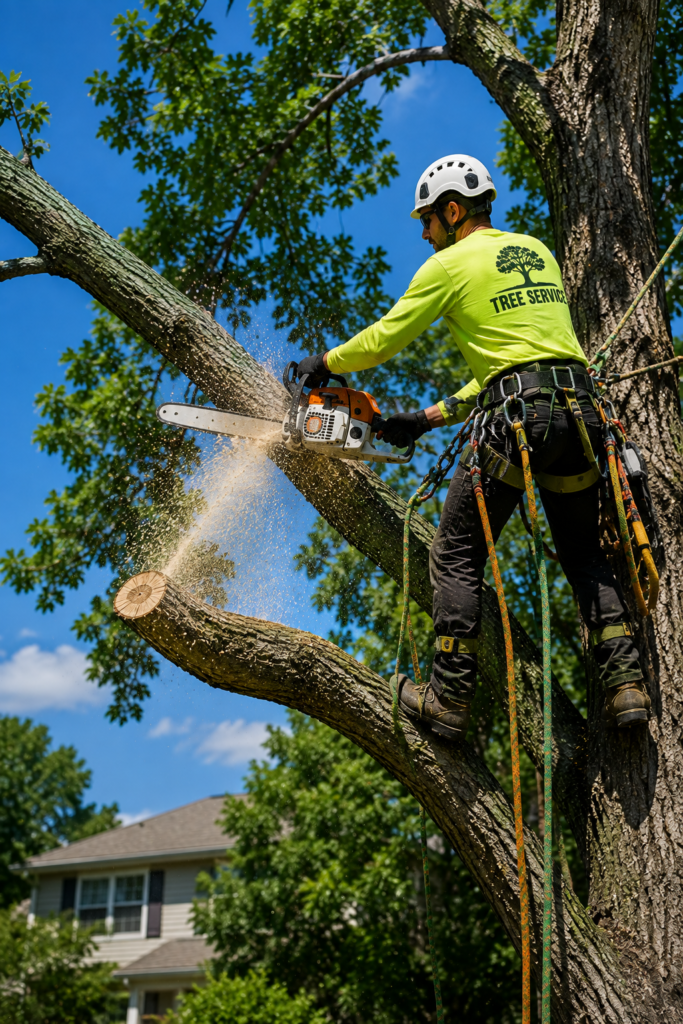
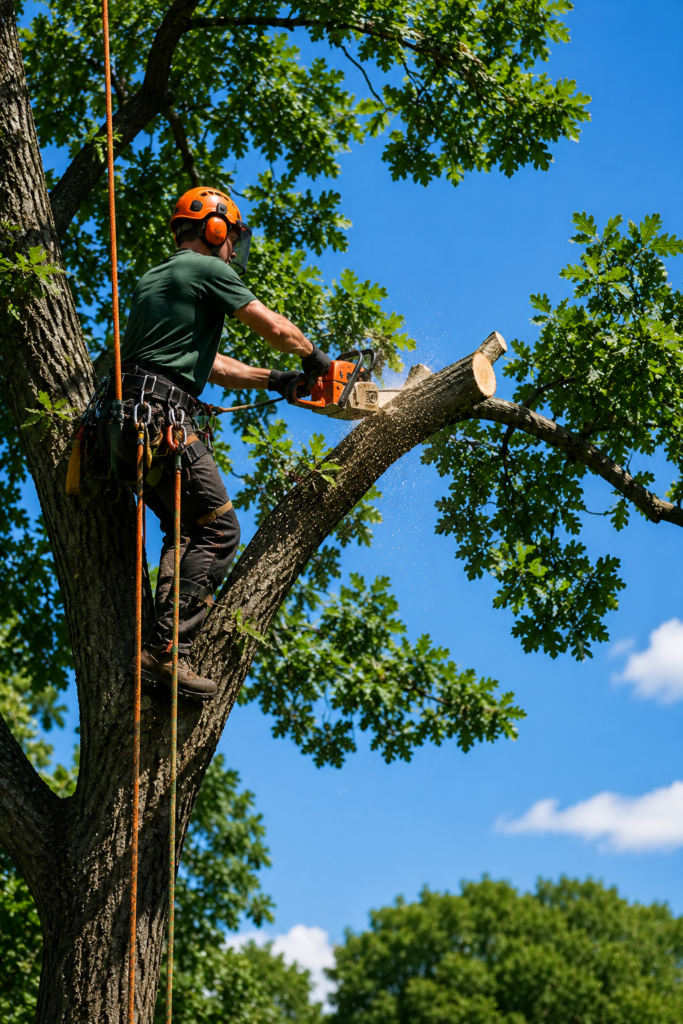
Dead branches that extend over a house, garage, driveway, walkway, fence, pool, or other part of a property can require careful removal. As dead wood dries and deteriorates, branches may become increasingly brittle.
Before removal begins, the size, height, position, and condition of the deadwood should be assessed. The location of healthy branches around it can also affect how the work should be carried out.
Large pieces of deadwood may need to be cut into smaller sections and carefully controlled rather than allowed to fall freely. This can help reduce unnecessary damage to roofs, vehicles, landscaping, and other property below the tree.
Nearby utility lines, neighboring properties, access routes, and available working space should also be considered when removing deadwood in developed areas.
Trees within the public right-of-way may have different maintenance requirements from trees entirely on private property. Property owners can check the City of San Diego tree maintenance guidelines for information about street tree maintenance and reporting tree-related concerns.
Removing deadwood can reduce the amount of brittle and deteriorating material within a tree’s canopy. This can be especially useful where dead branches extend above driveways, walkways, gardens, parking areas, or other frequently used spaces.
Deadwood removal can also improve the appearance of a tree by clearing branches that no longer produce healthy growth. Removing selected dead branches may make the structure of the remaining canopy easier to inspect.
Careful removal helps preserve healthy branches while reducing unnecessary cuts to living parts of the tree. The goal is not to remove more of the canopy than needed, but to target branches that are clearly dead.
Where extensive dieback is present, the condition of the whole tree should be assessed. Large amounts of deadwood can sometimes be associated with disease, root problems, drought stress, decay, or general tree decline.
Deadwood can develop in trees on both residential and commercial properties. At a home, dead branches may extend over roofs, driveways, yards, fences, swimming pools, vehicles, or neighboring properties.
Commercial properties may have deadwood above parking lots, apartment communities, offices, retail spaces, walkways, entrances, and other areas regularly used by employees, customers, tenants, and vehicles.
Branch size, height, condition, access, and nearby structures should all be considered before removal begins. Large dead branches may need to be divided into smaller sections when there is limited working space beneath the tree.
For homes and businesses, deadwood removal in San Diego CA should focus on removing dead material while preserving healthy parts of the tree and reducing unnecessary disturbance to surrounding property.