- (619) 815 5317
- info@treeservicesandiegoca.net
- Mon - Sat: 9:00 - 19:00

Crown raising is a pruning method used to increase clearance beneath a tree’s canopy by selectively removing lower branches. It can be useful where branches hang over driveways, sidewalks, walkways, roads, buildings, parking areas, or other spaces that need more room below the tree.
Before lower branches are removed, the tree’s species, age, structure, and overall condition should be considered. Removing too many low branches at once can affect the tree’s balance and natural form.
Crown raising should focus on selected branches that interfere with access or clearance while retaining enough lower growth to support a well-proportioned canopy.
The amount of clearance needed can vary depending on where the tree is growing and how the space beneath it is used. Careful pruning helps improve access while preserving the tree’s health and appearance.
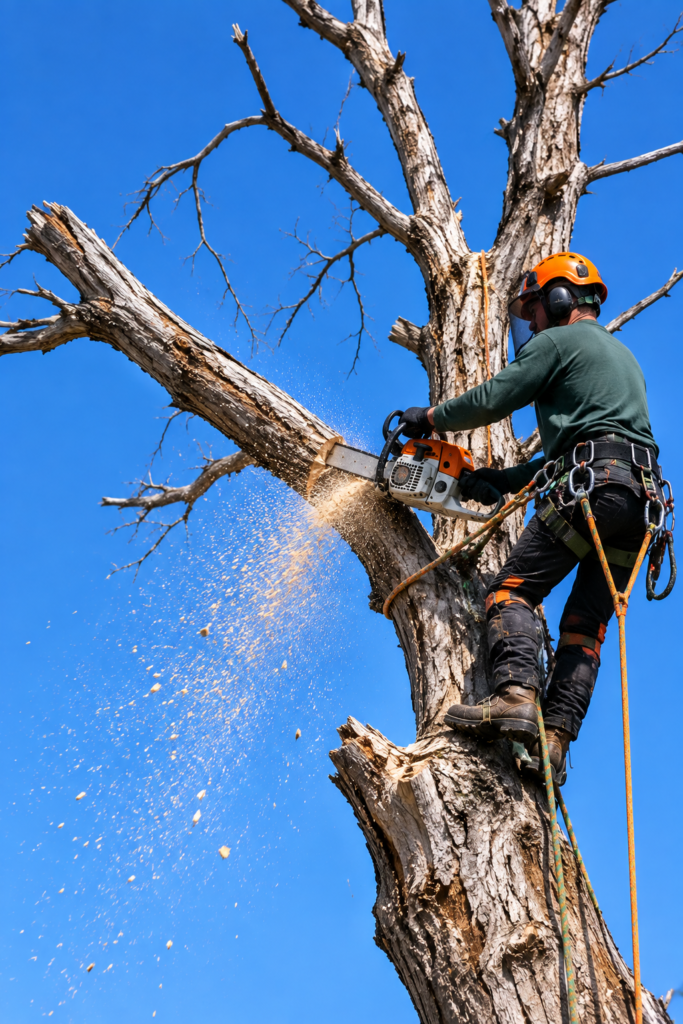
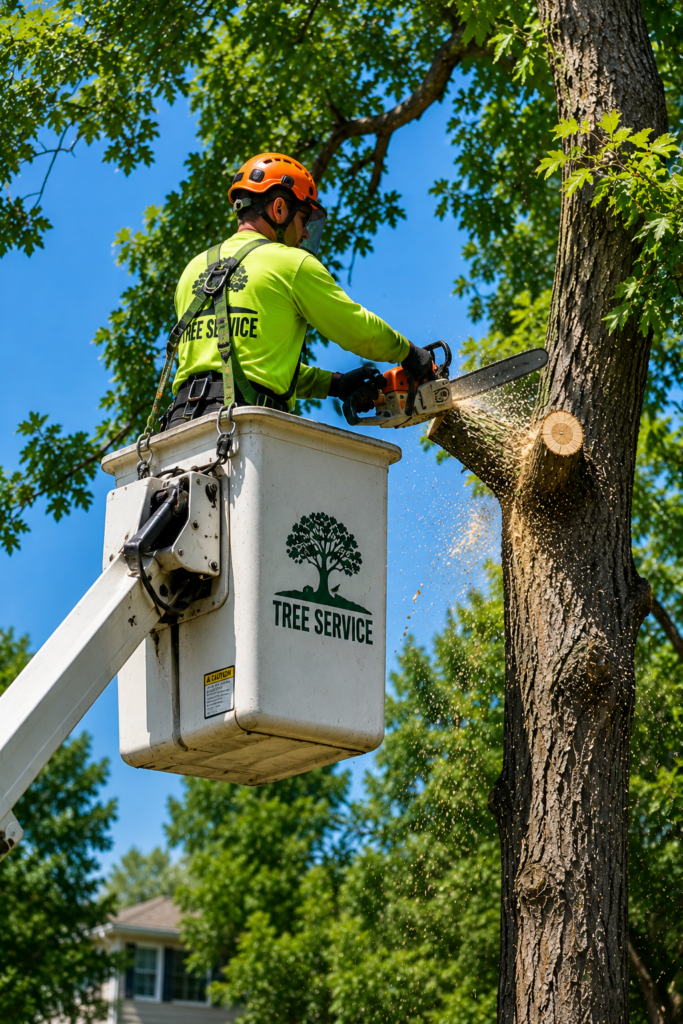
Crown raising may be appropriate when lower branches interfere with the normal use of the space beneath a tree. Branches may hang over driveways, sidewalks, walkways, parking areas, patios, lawns, or entrances and reduce available clearance.
Lower branches can also grow close to roofs, fences, vehicles, signs, or other structures. Selective removal can create additional space without unnecessarily reducing the upper canopy.
The tree’s age, species, branch structure, and condition should be considered before pruning. Young and mature trees may respond differently, and removing too many lower branches can create an unbalanced appearance.
Not every clearance problem requires crown raising. Our other tree services can help with tree trimming, pruning, branch removal, crown thinning, deadwood removal, and other appropriate tree care depending on the situation.
Crown raising involves selectively removing lower branches to increase the vertical clearance beneath a tree’s canopy. The work should begin by identifying which branches interfere with access, structures, vehicles, pedestrians, or the normal use of the area below.
Branches should be selected carefully so that enough healthy growth remains throughout the canopy. Removing several large lower limbs at once can alter the tree’s proportions and may create unnecessarily large pruning wounds.
Where possible, clearance can be developed gradually while maintaining a balanced relationship between the trunk and canopy. Branch size, attachment, position, and the tree’s overall structure should all be considered before cuts are made.
The approach to crown raising in San Diego CA should be based on the tree’s species, maturity, condition, existing structure, and the amount of clearance reasonably needed beneath the canopy. Helpful guides include how much clearance a driveway actually needs, whether a canopy should be raised in stages, and how lifting low branches can change patio shade and privacy.
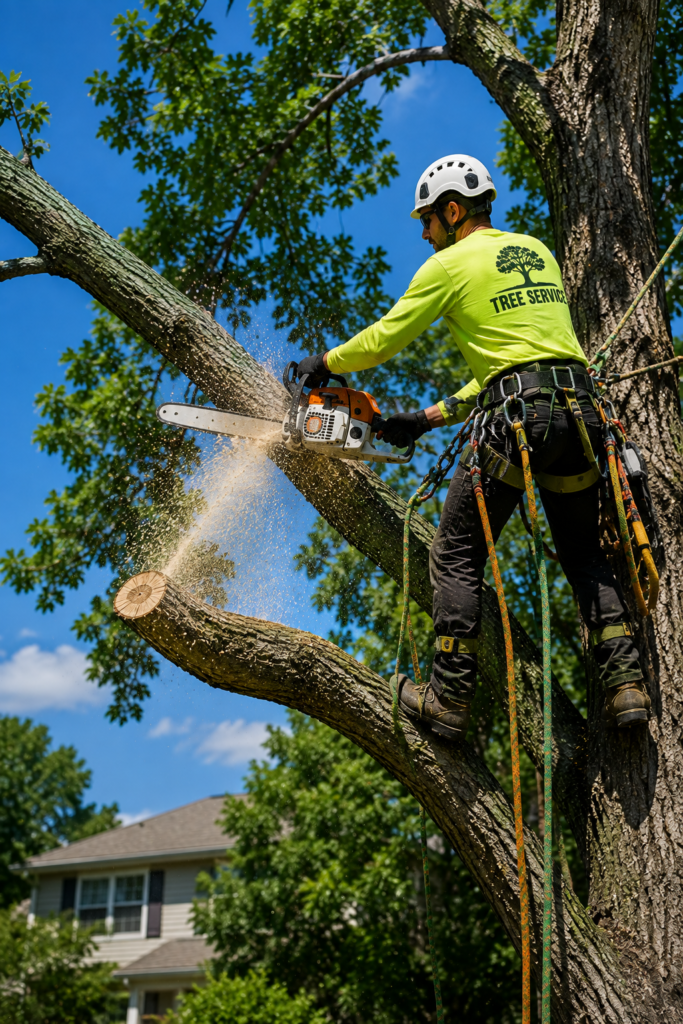
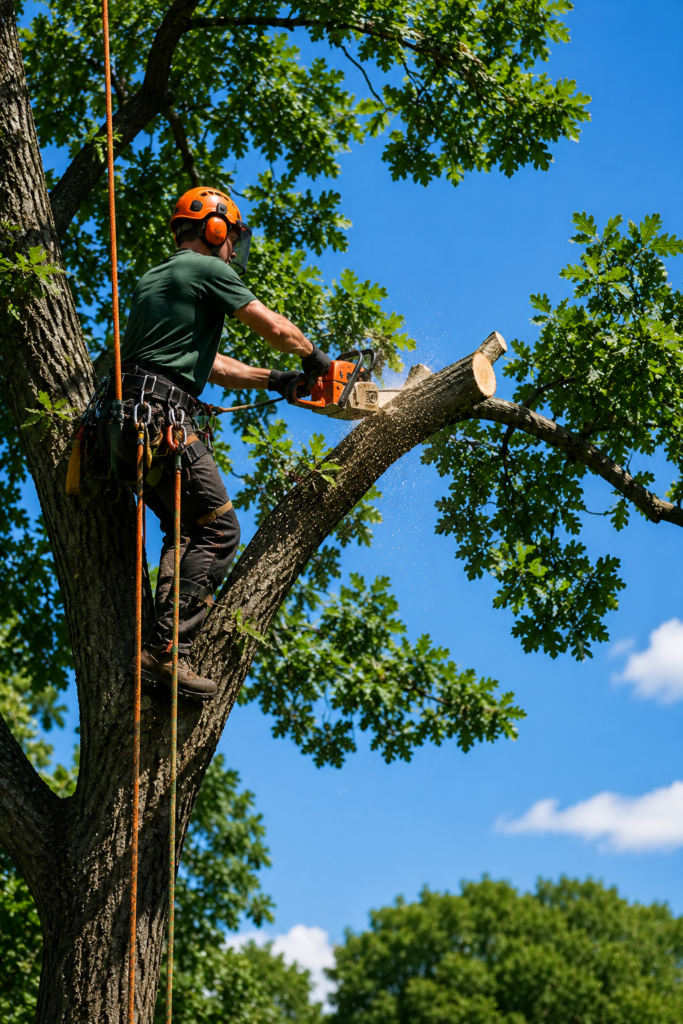
Low tree branches can interfere with driveways, sidewalks, walkways, building entrances, parking areas, and other spaces that require adequate clearance. They may also extend close to roofs, fences, vehicles, signs, or landscaping.
Crown raising can create additional space beneath the canopy by selectively removing appropriate lower branches. The amount of clearance needed should be considered alongside the tree’s size, structure, age, and location.
Larger lower branches require careful consideration before removal because they may form an important part of the tree’s structure. Where possible, clearance should be created without removing excessive amounts of healthy canopy.
Nearby buildings, utility lines, neighboring properties, traffic areas, and access routes should also be considered when planning crown raising around developed property.
Trees within the public right-of-way may have different maintenance requirements from trees entirely on private property. Property owners can check the City of San Diego tree maintenance guidelines for information about street tree maintenance and reporting tree-related concerns.
Crown raising can improve clearance beneath a tree while allowing much of the upper canopy to remain intact. This can make it easier to use driveways, walkways, patios, lawns, parking areas, and other spaces beneath or beside the tree.
Selective removal of lower branches may also provide additional clearance around buildings, vehicles, fences, signs, and landscaping. The goal is to address branches that interfere with the surrounding property without unnecessarily reducing healthy canopy growth.
Crown raising can also improve visibility beneath a tree where low branches obstruct views across a property or around entrances and access areas.
The benefits depend on careful branch selection. Excessive removal of lower limbs can affect the tree’s proportions and structure, so pruning should be appropriate for the individual tree and the clearance actually required.
Crown thinning can be useful for trees on both residential and commercial properties. At a home, a dense canopy may affect gardens, lawns, patios, driveways, swimming pools, roofs, or other areas around the property.
Commercial properties may have mature trees around apartment communities, offices, retail spaces, parking lots, walkways, entrances, and landscaped areas where balanced canopy management is important.
Tree species, maturity, condition, branch structure, access, and surrounding property should all be considered before thinning begins. The amount of foliage removed should be appropriate for the individual tree rather than based on a fixed percentage for every situation.
For homes and businesses, crown thinning in San Diego CA should focus on selectively reducing canopy density while maintaining healthy growth, balanced branch distribution, and the tree’s natural form.