- (619) 815 5317
- info@treeservicesandiegoca.net
- Mon - Sat: 9:00 - 19:00

Brush clearing helps remove overgrown vegetation, woody brush, small unwanted growth, and accumulated plant material from areas around residential and commercial properties. Dense vegetation can make parts of a property difficult to access, maintain, or use.
Before clearing begins, the type and amount of vegetation, terrain, property boundaries, access, nearby trees, landscaping, structures, and other site conditions should be considered. The appropriate approach depends on what is growing and how the area will be used afterward.
Brush can develop around trees, fences, slopes, open areas, property edges, pathways, and sections of land that have received limited maintenance. Selective clearing can help open these areas while retaining vegetation that the property owner wants to keep.
Brush clearing should be planned around the individual property rather than removing vegetation unnecessarily. The goal is to address unwanted or excessive growth while considering established trees, landscaping, soil conditions, and surrounding property.
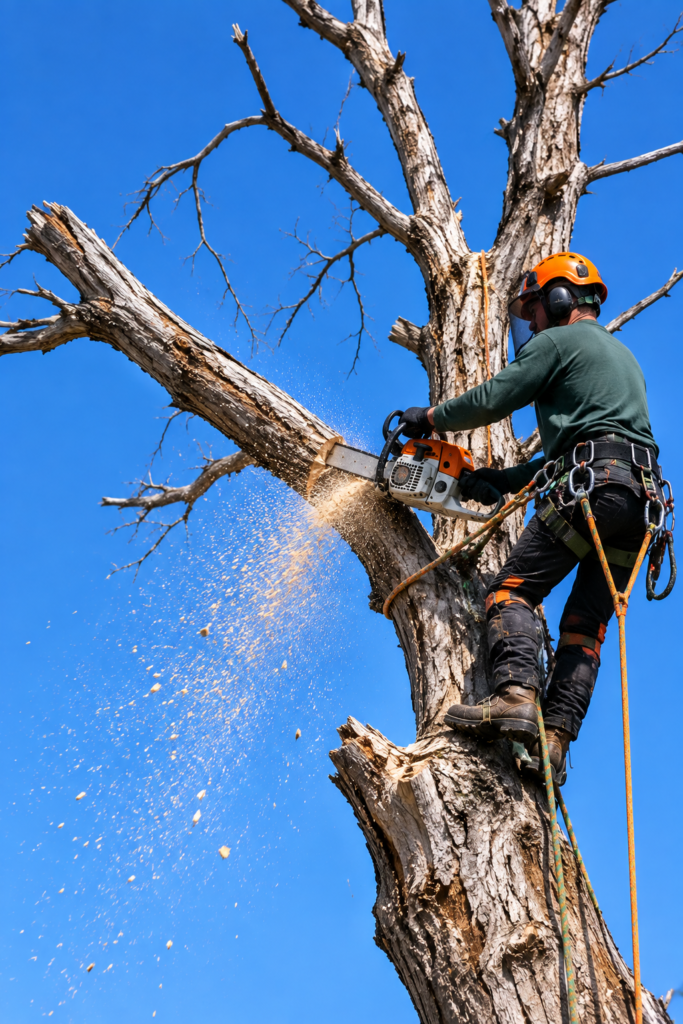
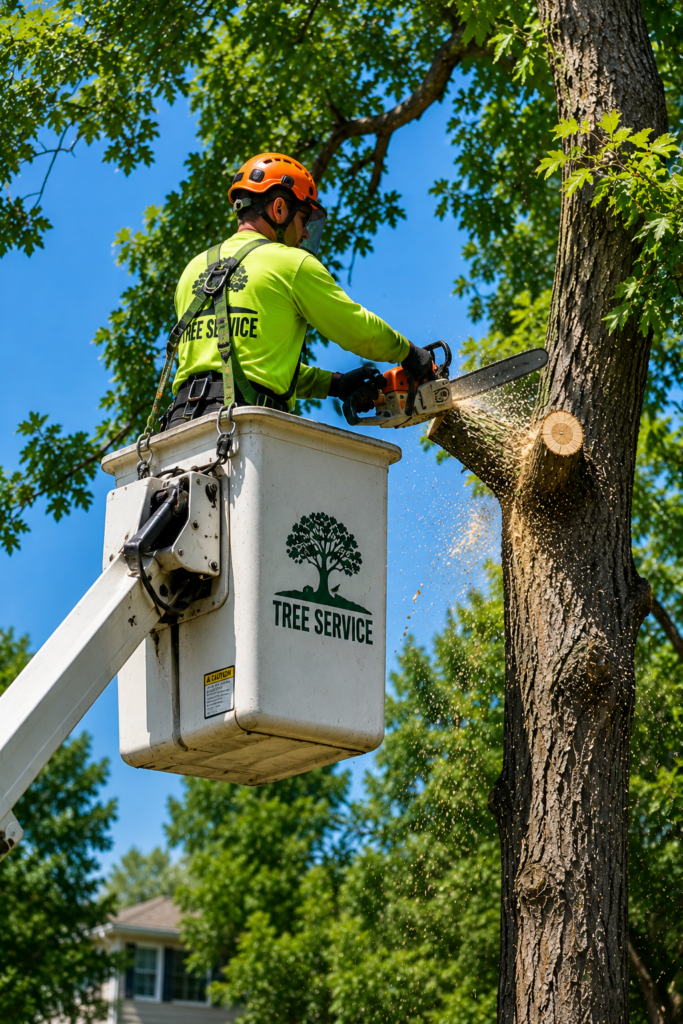
Brush clearing may be useful when vegetation becomes dense, overgrown, difficult to manage, or begins limiting access around a property. Unwanted brush can gradually spread into pathways, open spaces, fence lines, landscaped areas, and areas around established trees.
Properties that have received limited vegetation maintenance may develop thick growth containing shrubs, vines, weeds, small woody plants, fallen branches, and other accumulated plant material. Clearing selected growth can make these areas easier to access and maintain.
Brush may also need attention before landscaping work, property improvements, or other planned use of an overgrown area. The vegetation and site conditions should be assessed before deciding what should be removed and what should remain.
Where larger trees or branches also require attention, our other tree services can help with trimming, pruning, branch removal, tree removal, and related tree care.
Brush clearing should begin by reviewing the area and identifying the vegetation that needs to be removed. Established trees, landscaping, property boundaries, structures, fences, slopes, access routes, and vegetation that should remain need to be considered before work begins.
Depending on the site, unwanted brush may be cut back and removed in stages. Dense shrubs, vines, small woody growth, weeds, fallen branches, and accumulated vegetation can be cleared to improve access and make the area easier to maintain.
Care should be taken around established trees and desirable plants. Unnecessary damage to trunks, visible roots, landscaping, irrigation components, and other features of the property should be avoided during clearing.
The approach to brush clearing in San Diego CA should depend on the amount and type of vegetation, terrain, access, surrounding property, and the intended use of the area after clearing. To plan ahead, read why brush clearing quotes differ for similar properties, use our brush clearing preparation checklist, and decide whether cleared brush should be hauled away or chipped on site.
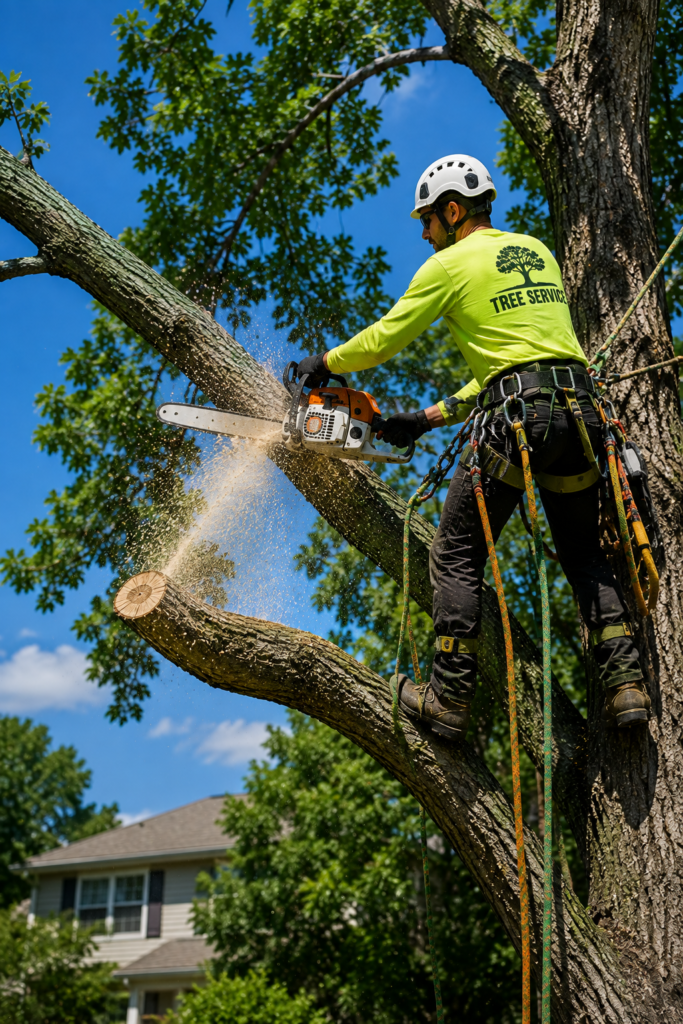
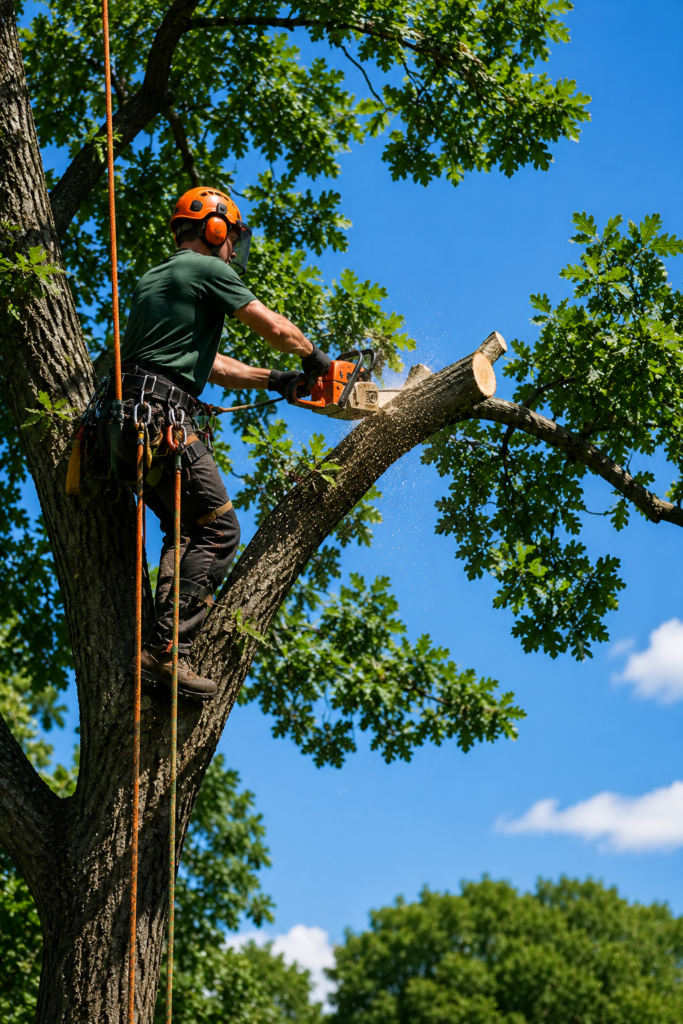
Overgrown brush can develop around houses, garages, fences, driveways, walkways, slopes, property boundaries, and other areas that may be difficult to maintain regularly. Dense vegetation can also reduce access to parts of a property.
Clearing may involve removing selected shrubs, vines, weeds, small woody growth, fallen branches, and accumulated vegetation while working around established trees and landscaping that should remain.
The location of buildings, fences, utility areas, irrigation systems, neighboring properties, and access routes should be considered before clearing begins. Sloped or restricted areas may require a different approach from open and easily accessible ground.
Brush clearing should be planned according to the property’s conditions and the vegetation present. Where appropriate, selected established plants and trees can be retained while unwanted growth is removed from the surrounding area.
Brush clearing around trees should also take into account whether a tree is on private property or within the public right-of-way. Property owners can check the City of San Diego tree maintenance guidelines for information about street tree maintenance and reporting tree-related concerns.
Brush clearing can make overgrown areas easier to access, inspect, and maintain. Removing selected unwanted vegetation can open pathways, property edges, landscaped areas, and sections of land that have become difficult to use.
Clearing dense growth can also make it easier to see established trees, fences, irrigation components, structures, and other property features that may have become hidden by vegetation.
Selective clearing allows desirable trees and landscaping to remain while unwanted shrubs, vines, weeds, small woody growth, fallen branches, and accumulated plant material are addressed where appropriate.
The amount of clearing needed depends on the property and its intended use. A carefully planned approach can improve access and ongoing maintenance without unnecessarily removing established vegetation that the property owner wants to retain.
Brush clearing can help manage overgrown vegetation on both residential and commercial properties. At a home, unwanted growth may develop around fences, slopes, pathways, yards, property boundaries, established trees, and areas that receive limited regular maintenance.
Commercial properties may have brush around apartment communities, offices, retail properties, parking areas, landscaped spaces, vacant sections, access routes, and property edges where vegetation can become difficult to manage.
The amount and type of vegetation, terrain, access, nearby structures, established trees, landscaping, property boundaries, and intended use of the area should all be considered before clearing begins.
For homes and businesses, brush clearing in San Diego CA should focus on removing appropriate unwanted vegetation while considering the site’s existing trees, landscaping, access, and ongoing maintenance needs.