- (619) 815 5317
- info@treeservicesandiegoca.net
- Mon - Sat: 9:00 - 19:00

Tree branches may need to be removed when they are dead, broken, damaged, hanging, or growing where they could cause problems. Large branches can extend over roofs, driveways, walkways, vehicles, fences, and neighboring properties.
Before removing a branch, its size, condition, position, and connection to the tree should be assessed. The condition of the surrounding tree is also important because damaged or weak branches may behave differently when cutting begins.
Large branches often need to be removed in smaller sections rather than with a single cut. Controlled removal can help manage the weight of the wood and reduce unnecessary damage to the tree and surrounding property.
Proper branch removal should also consider the health and structure of the remaining tree. Cuts should be planned carefully so that unnecessary damage to healthy branches and the main trunk is avoided.
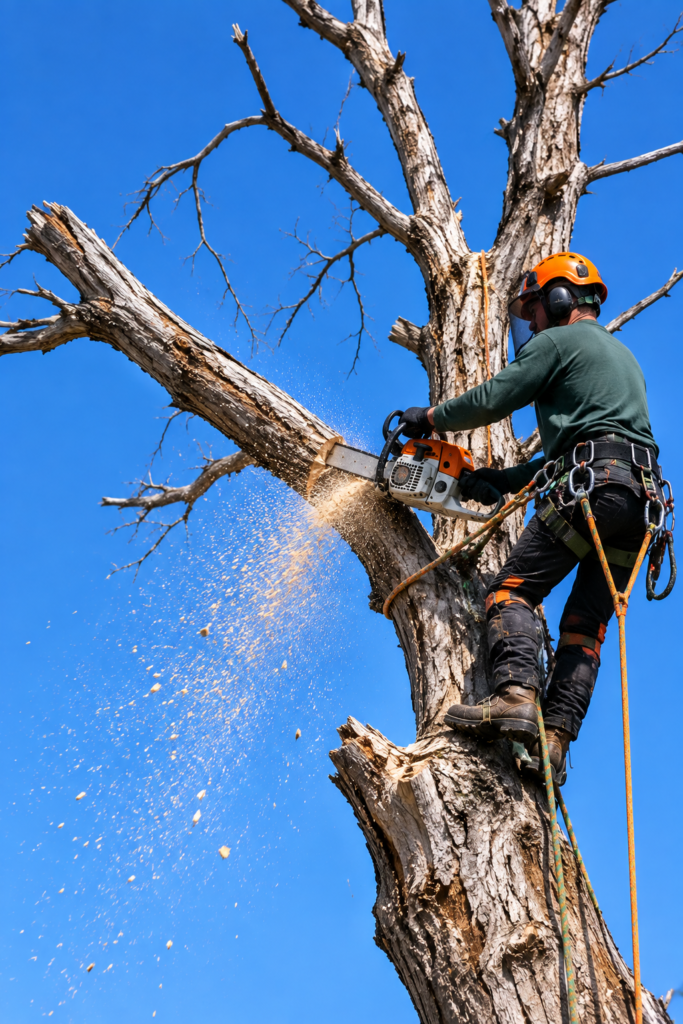
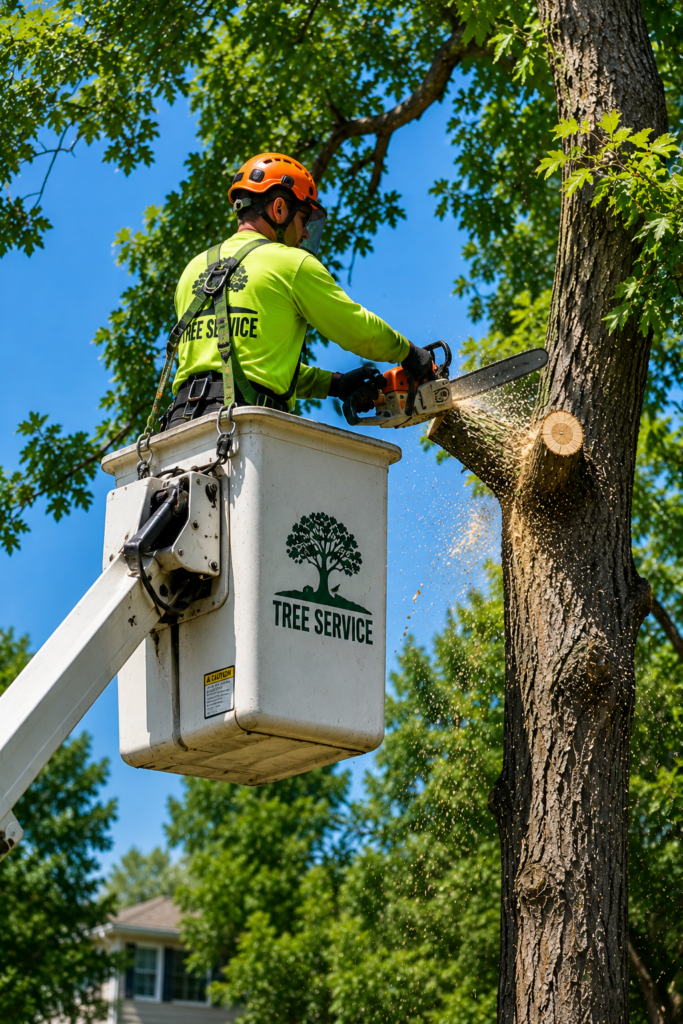
Tree branches may need removal when they are dead, cracked, broken, hanging, diseased, or badly damaged. Branches that have become structurally weak can create concerns when they extend over areas regularly used by people or vehicles.
Branch removal may also be appropriate when limbs rub against a roof, block a driveway or walkway, interfere with structures, or have been damaged by strong winds. Heavy branches with weak connections to the trunk may also require closer inspection.
Not every unwanted branch needs immediate removal. Its size, condition, location, and effect on the overall tree should be considered before deciding what work is appropriate.
Our other tree services can help with tree trimming, pruning, deadwood removal, crown thinning, and other tree care when more than individual branch removal is needed.
Large tree branches can be extremely heavy, especially on mature trees. Their size and position can make removal more difficult when they extend over houses, garages, driveways, fences, vehicles, landscaping, or neighboring properties.
Before cutting begins, the branch should be assessed for cracks, decay, weak connections, dead wood, and other structural problems. The direction of growth and the weight of smaller limbs attached to the branch should also be considered.
A large branch may need to be divided into smaller sections instead of being removed with one cut. This allows each piece to be handled with greater control and can reduce unnecessary stress on the remaining tree.
The approach to tree branch removal in San Diego CA should consider the size and condition of the branch, the health of the tree, available working space, and nearby property. Our guides explain when a damaged branch actually needs removal, what makes large or high branches harder to remove, and what to consider with branches over roofs, driveways, or a neighbor’s yard.
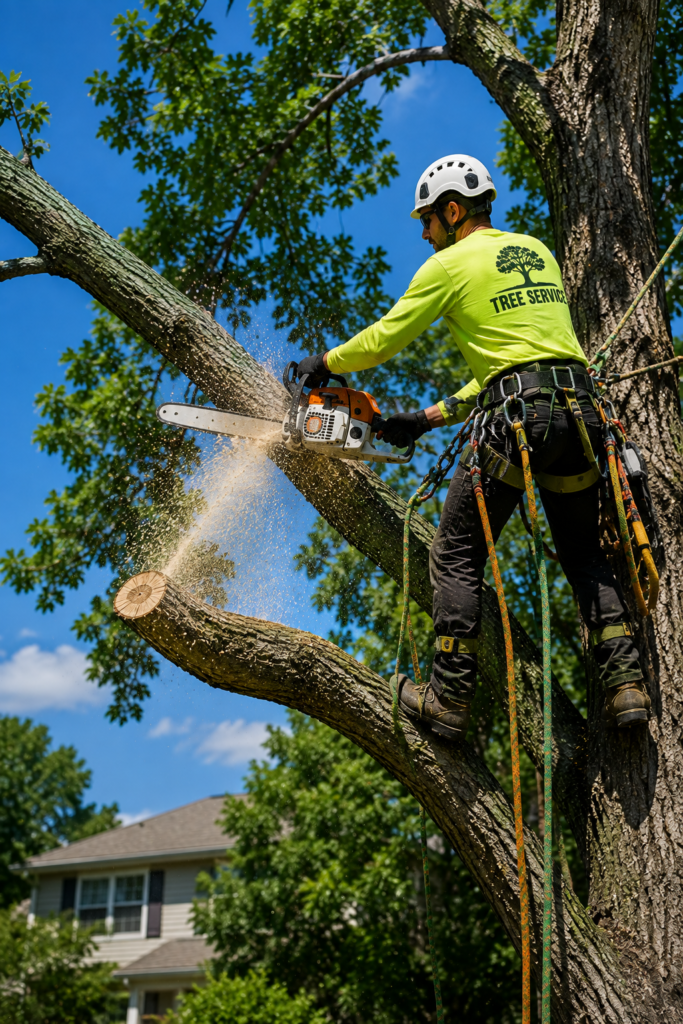
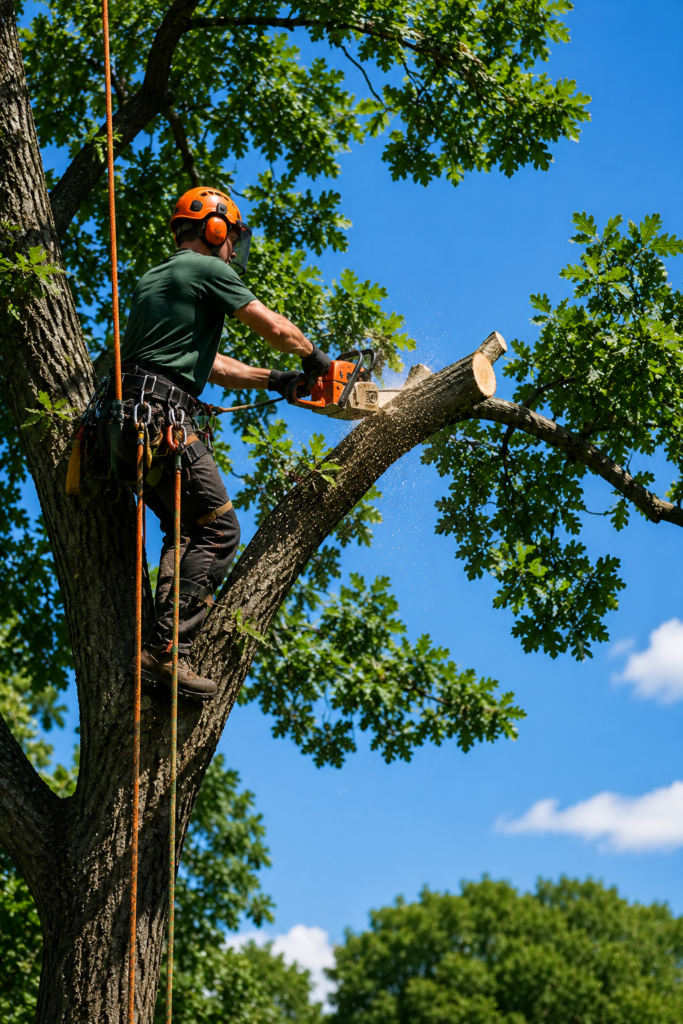
Tree branches that extend over a house, garage, driveway, fence, pool, or other structure can require extra care during removal. Large limbs may be too heavy to simply cut and allow to fall freely.
Before work begins, the position and condition of the branch should be assessed. Cracks, decay, dead wood, weak branch connections, and storm damage can affect how the branch responds when cutting starts.
Large limbs may need to be divided into smaller sections and carefully controlled during removal. This approach can help reduce unnecessary damage to roofs, vehicles, landscaping, and other property below the tree.
Nearby utility lines, neighboring properties, access routes, and available working space should also be considered when removing branches in developed areas.
Trees within the public right-of-way may have different maintenance requirements from trees entirely on private property. Property owners can check the City of San Diego tree maintenance guidelines for information about street tree maintenance and reporting tree-related concerns.
Dead, broken, and hanging branches can develop after storms, disease, decay, natural aging, or physical damage. Some remain attached to the tree even though the wood or branch connection has become weak.
A hanging branch may be supported by other limbs or caught within the canopy. Its position can make removal difficult because cutting or moving one section may cause another part of the branch to shift unexpectedly.
Dead branches can also become dry and brittle over time. Large pieces of dead wood may require controlled removal, particularly when they are located above roofs, driveways, walkways, vehicles, or other frequently used areas.
Removing damaged branches can also help improve the condition and structure of the remaining tree when the trunk, roots, and healthy canopy are still suitable to retain.
Tree branches can create different concerns on residential and commercial properties. At a home, large or damaged branches may extend over roofs, driveways, fences, yards, vehicles, swimming pools, or neighboring properties.
Commercial properties may have branches above parking lots, apartment communities, offices, retail spaces, walkways, entrances, and other areas regularly used by employees, customers, tenants, and vehicles.
Branch size, condition, height, access, and nearby structures should all be considered before removal begins. Large limbs may need to be divided into smaller sections when there is limited space beneath or around the tree.
For homes and businesses, tree branch removal in San Diego CA should focus on controlled removal while protecting healthy parts of the tree and reducing unnecessary disturbance to surrounding property.