- (619) 815 5317
- info@treeservicesandiegoca.net
- Mon - Sat: 9:00 - 19:00

A dead tree can gradually become weaker as branches, the trunk, and the root system deteriorate. Over time, dead wood may become brittle and more likely to break, particularly during strong winds or severe weather.
Before removing a dead tree, its condition and surroundings should be assessed. Large dead branches, cavities, decay, damaged roots, nearby buildings, vehicles, fences, and available working space can all affect how the removal should be carried out.
Dead trees can be more difficult to work with than healthy trees because weakened branches and sections of trunk may not respond predictably during cutting. Large trees may need to be dismantled carefully in smaller sections.
Removing a dead tree can eliminate deteriorating tree material while creating space for future landscaping, planting, or other property improvements.
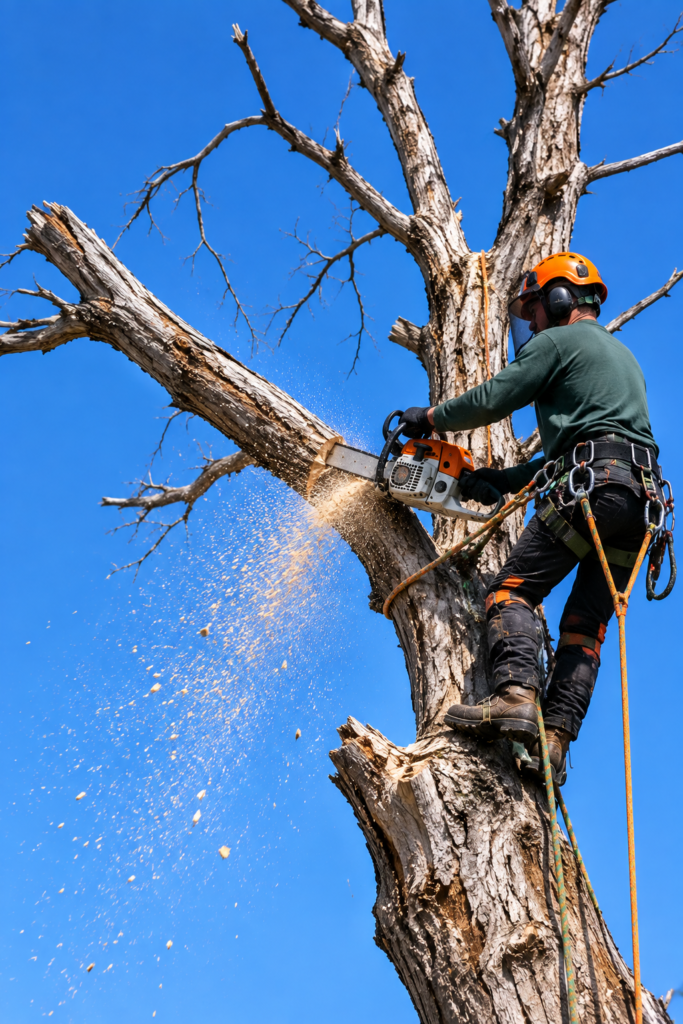
A tree may show several signs of serious decline before it dies completely. Large areas of dead branches, little or no leaf growth during the normal growing season, peeling bark, and brittle twigs can indicate that a tree is struggling.
Decay may also appear as cavities, soft or crumbling wood, fungal growth, or damaged areas around the trunk and roots. A tree with extensive root damage may become unstable even when parts of the canopy still appear alive.
Some trees naturally lose leaves or enter periods of dormancy, so a lack of foliage alone does not always mean a tree is dead. The overall condition of the branches, trunk, roots, and remaining growth should be considered.
If only part of the tree is affected, our other tree services may help with pruning, deadwood removal, trimming, or other appropriate care instead of complete removal.
Large dead trees can be difficult to remove because branches and sections of trunk may have become dry, brittle, or structurally weak. This can make their movement less predictable when cutting begins.
Before removal, the tree should be assessed for dead limbs, cracks, cavities, decay, damaged roots, and other weakened areas. Nearby houses, driveways, fences, vehicles, landscaping, and neighboring properties should also be considered.
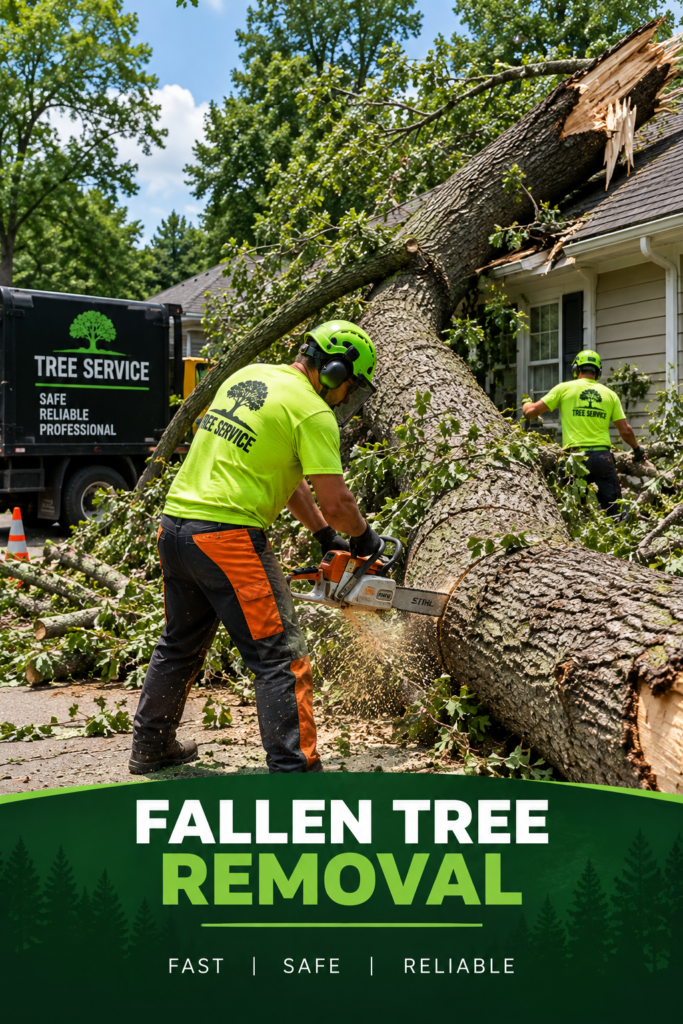
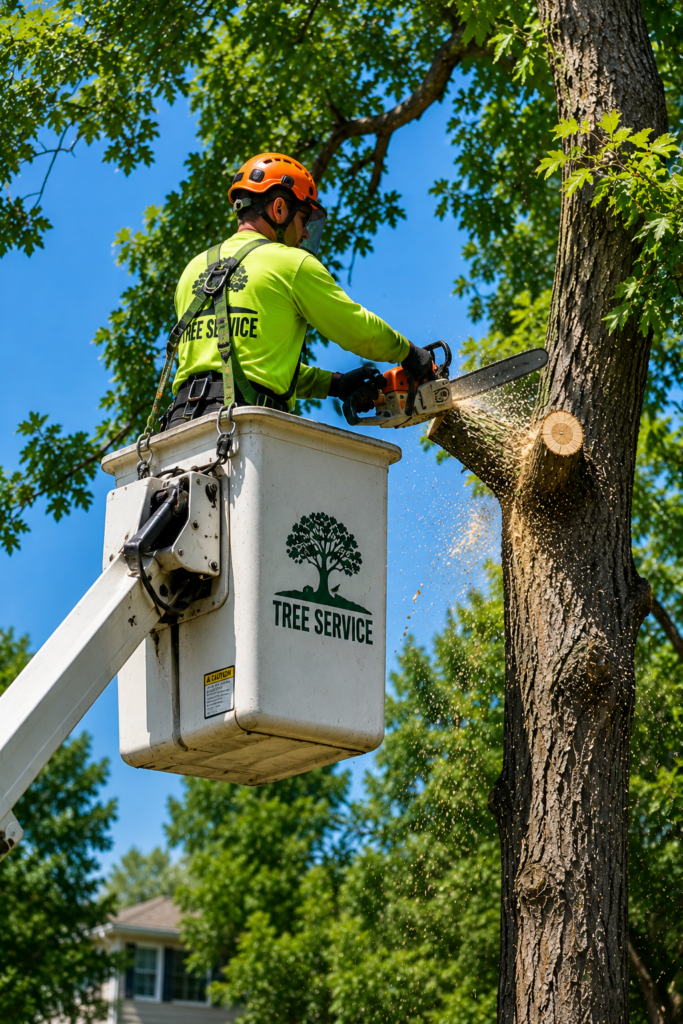
Instead of bringing a large dead tree down in one piece, branches and sections of trunk may need to be removed gradually. Controlled cutting can provide greater control when there is limited working space around the tree.
The right approach to dead tree removal in San Diego CA depends on the tree’s size, condition, location, accessibility, and the property surrounding it. Read how to tell if a tree is actually dead, how urgent removing a dead tree may be, and a checklist for what happens before a dead tree comes down.
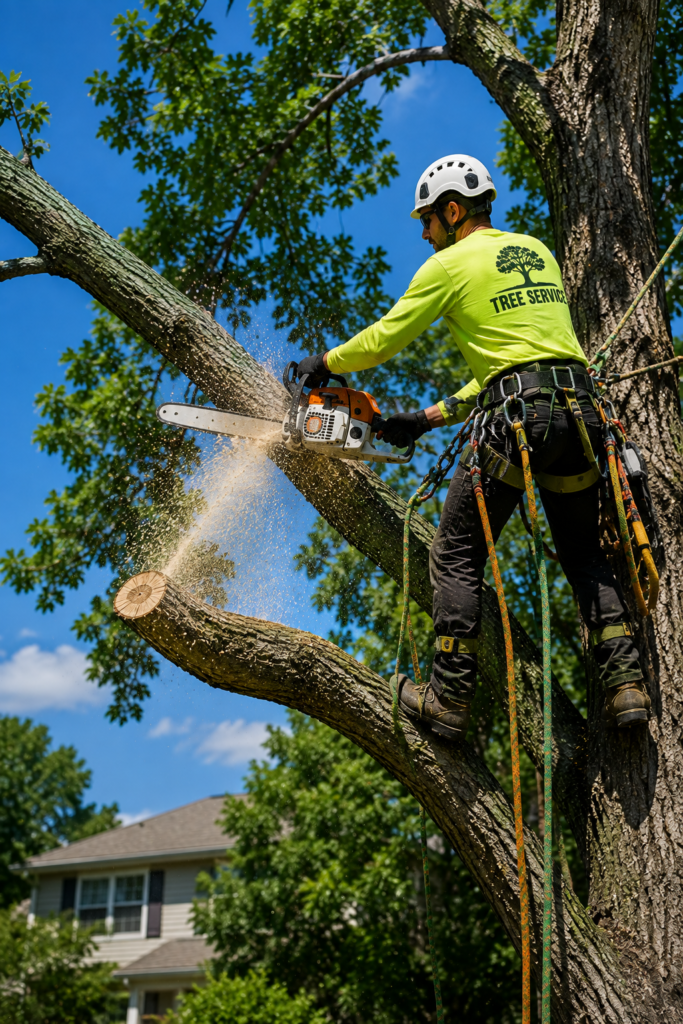
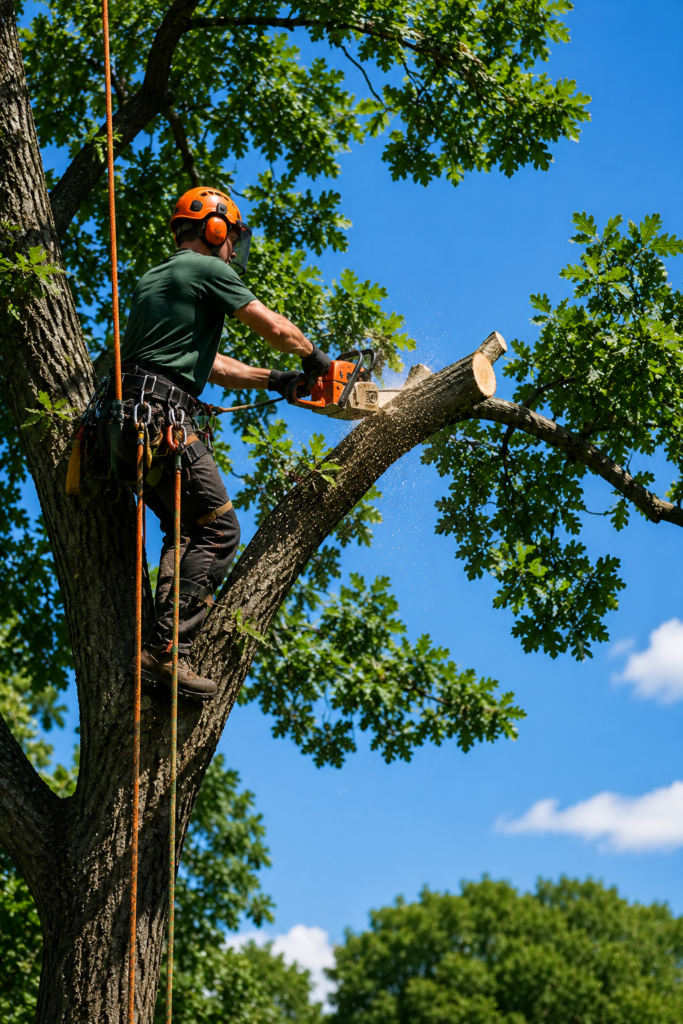
A dead tree growing close to a house, garage, fence, driveway, pool, or other structure can require additional care during removal. Dead branches and weakened sections of trunk may break unexpectedly as the tree continues to deteriorate.
The position and condition of the tree should be assessed before cutting begins. Large branches extending over roofs, vehicles, neighboring properties, or other structures may need to be removed separately before work continues on the main trunk.
In areas with limited working space, branches and sections of trunk can be dismantled gradually and carefully controlled instead of being allowed to fall freely. This can help reduce the chance of unnecessary damage to surrounding property.
Access for equipment, landscaping, utility lines, neighboring properties, and other obstacles should also be considered when planning the removal of a dead tree near buildings or frequently used areas.
Trees within the public right-of-way may be handled differently from trees entirely on private property. Property owners can check the City of San Diego tree maintenance guidelines for information about street trees and reporting tree-related concerns.
A completely dead tree will not recover or begin growing again. As the wood continues to deteriorate, branches can become brittle and the strength of the trunk and root system may gradually decline.
Removal may be appropriate when a dead tree has large weakened branches, extensive decay, serious trunk damage, unstable roots, or a location where falling tree material could affect people or property.
The condition and location of the tree should be considered when deciding how soon removal is needed. A dead tree close to a house, driveway, walkway, parking area, or neighboring property may require more attention than one in an isolated area.
Dead trees can also provide habitat for wildlife, so their surroundings should be assessed before work begins. Where a dead tree cannot reasonably remain in place, careful removal can prevent further deterioration from creating additional problems.
Dead trees can become a concern on both residential and commercial properties. At a home, a dead tree may be located near a roof, driveway, fence, yard, vehicle, swimming pool, or neighboring property.
Commercial properties may have dead trees near parking lots, apartment communities, offices, retail spaces, walkways, entrances, and other areas regularly used by employees, customers, tenants, and vehicles.
Tree size, condition, access, nearby structures, and available working space should all be considered before removal begins. Large dead trees may need to be dismantled carefully in smaller sections to maintain control during the work.
For homes and businesses, dead tree removal in San Diego CA should focus on safely removing deteriorated tree material while reducing unnecessary disturbance to the surrounding property.